
When I first started baking, I rarely paid attention to the why. Why does a recipe only have baking powder while another one asks for both baking soda and powder?
I was more interested in the how and the when. How can I make these crispy, delicious, scrumptious cookies, and when can I eat them?
It was later on when baking became a passion and then a business that I began breaking down recipes to an almost molecular level. That’s one reason I demystified spices and talked about baking with baking chocolate.
Now I move on to a question I’m asked as often as I use eggs, flours, and sugar in baking – what’s the difference between baking powder and baking soda, and what to do when you don’t have one of them.
Jump to:
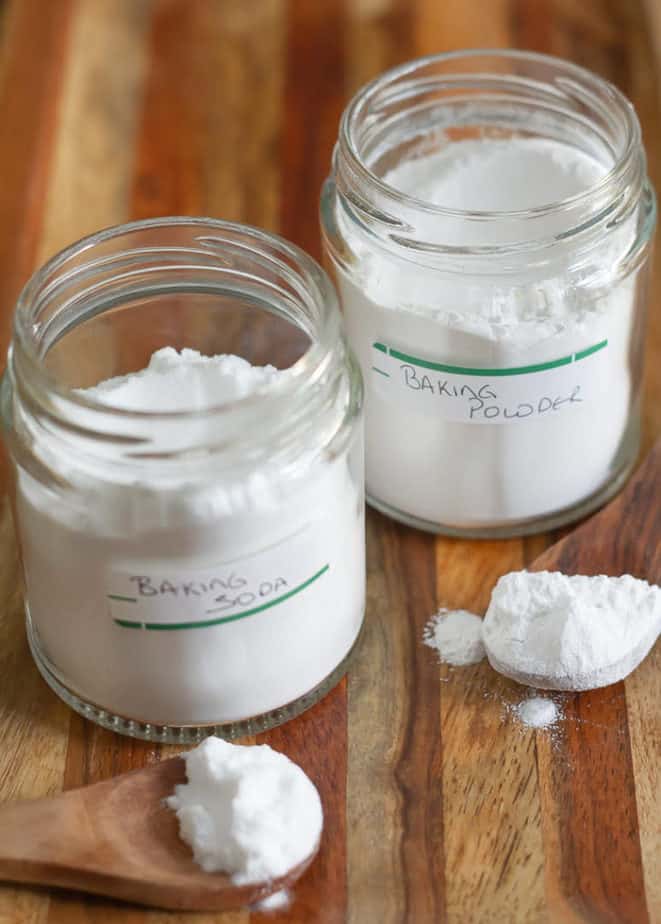
What is baking soda?
Baking soda is a pantry staple and leavening agent. It’s the essential ingredient that helps cakes, cookies, breads, and muffins rise.
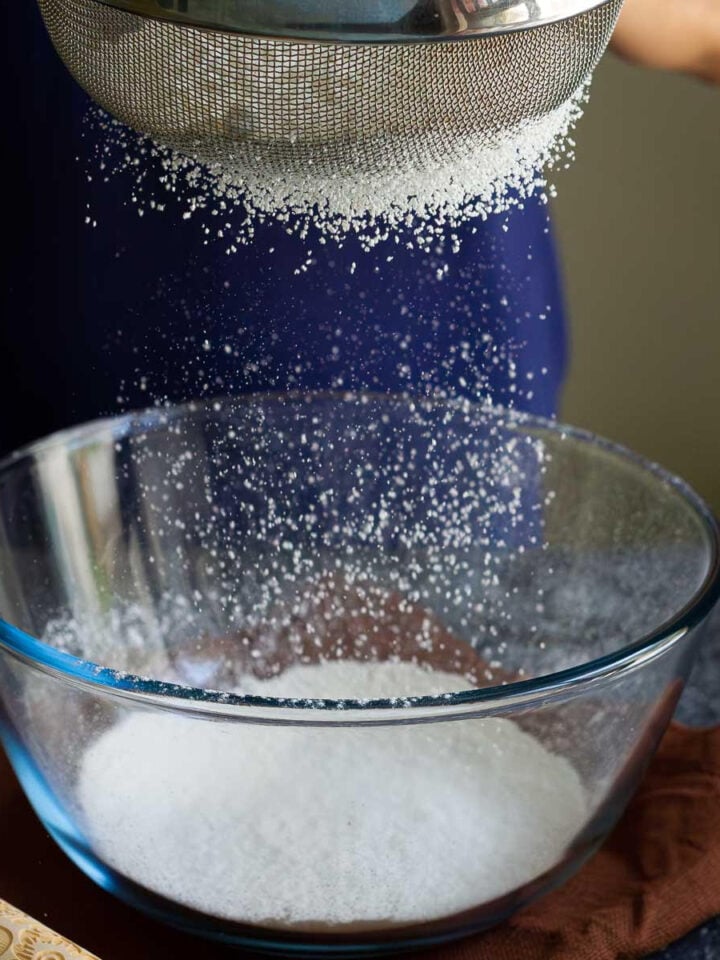
It's an alkaline compound that looks like a fine white powder and is chemically known as sodium bicarbonate.
How does baking soda work?
Baking soda is a base so when you mix it with an acid, like buttermilk or yogurt, it ignites a chemical reaction that releases carbon dioxide. It’s these bubbles of gas that help your cookie, bread, or muffin dough to rise.
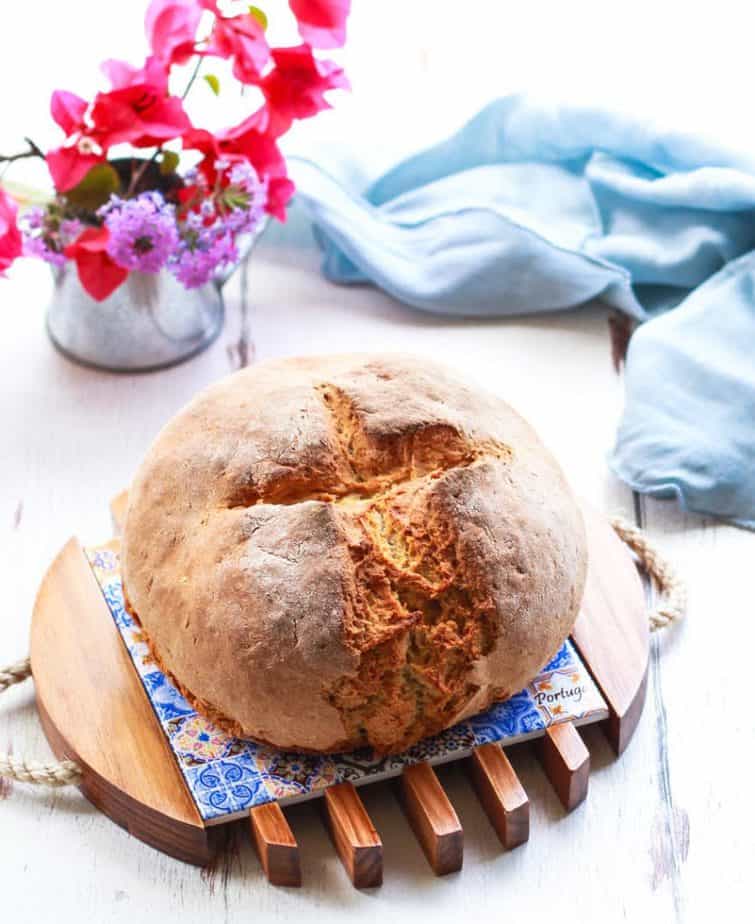
That’s not the only job of baking soda. It also makes the dough alkaline, which speeds up browning and it lends crispness to cookies and bread. Without baking soda, my Irish Soda Bread, a recipe that doesn’t use any baking powder, wouldn’t have that rich, dark color, deep flavor, and gorgeous dome. It would be flat and bland.
Must-try recipe that use only baking soda:
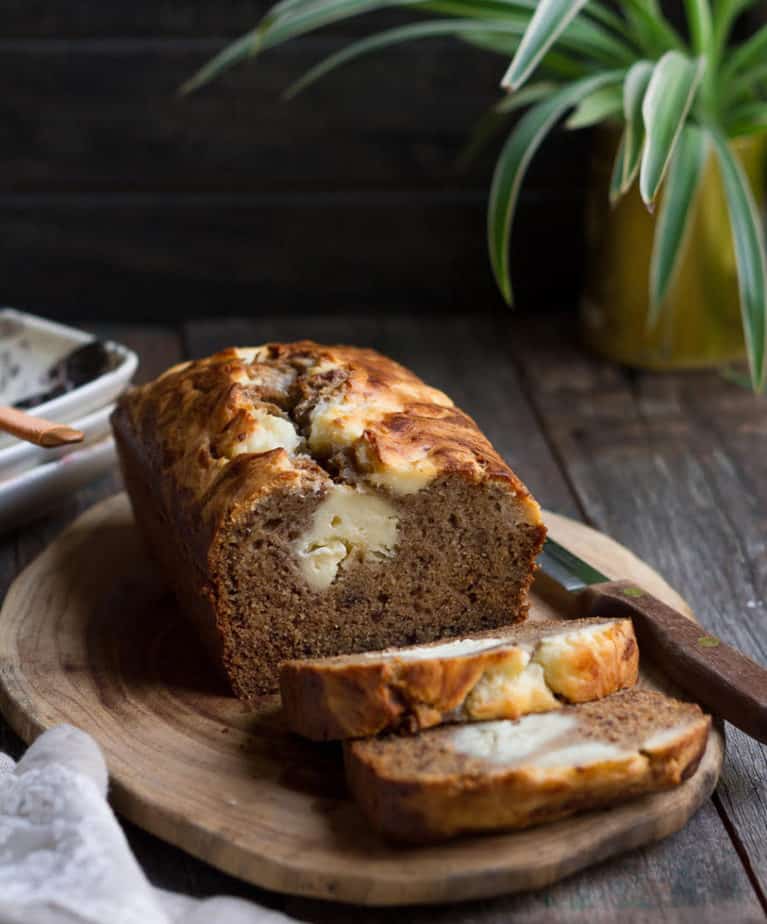
Cream cheese swirl banana bread
What to keep in mind when baking with baking soda?
- Always follow the amount of baking soda mentioned in the recipe.
- Adding more of it will not help the cookie or bread rise more. Rather, you’ll end up with a bake that has a bitter undertone or a metallic taste.
- That doesn’t mean you use less of it. When baking soda is not sufficient, your baked goodie will not rise and be very dense.
- A basic tenet of baking is to mix all the dry ingredients in one bowl and all the wet ingredients in another. Always, always follow this rule in a recipe that has baking soda. Why? Because it starts working the minute it is wet. For best results, it must be combined with other dry ingredients.
How to tell if baking soda still works?
To check if your baking soda is still active or not, mix a pinch or two of it in lemon juice or vinegar. If the mixture immediately bubbles and fizzes, you’re good to go.
More baking soda hacks
- Bake only once in a while? Buy small packs of baking soda to retain their efficacy.
- Besides bakes, you can use baking soda for a number of household chores:
- make a thick paste with water and clean your microwave
- sprinkle it on carpets, then vaccum
- mix it with detergents for sparkling clean dishes and laundry
- place an open box in a refrigerator to get rid of all smells
What is baking powder?
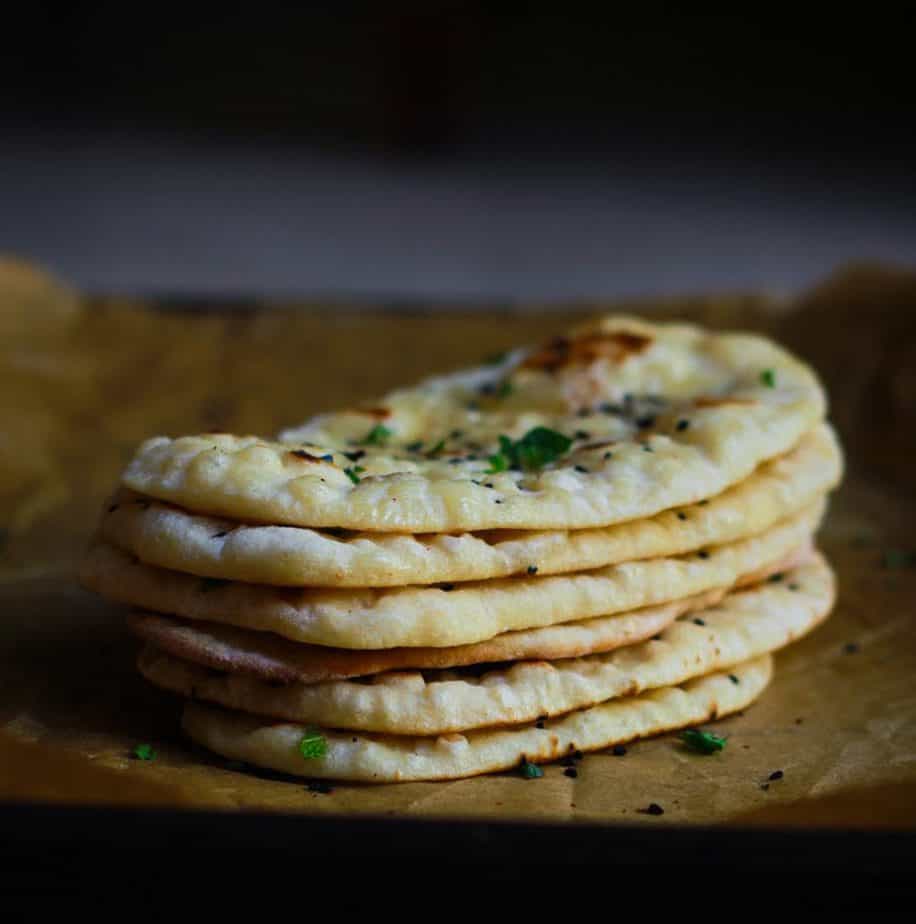
Baking powder is also a leavening agent. It increases the volume of baked items like Madeleines and flatbreads like naans.
It contains sodium bicarbonate (the chemical name of baking soda), an acid, and starch. Originally, the acid was tartaric acid, or cream of tartar. Nowadays, the acid component of baking powder varies.
How does baking powder work?
Like baking soda, baking powder also releases carbon dioxide in your bread, or cookie causing the air bubbles to push the dough up and out. To activate it, you have to mix it with any liquid.
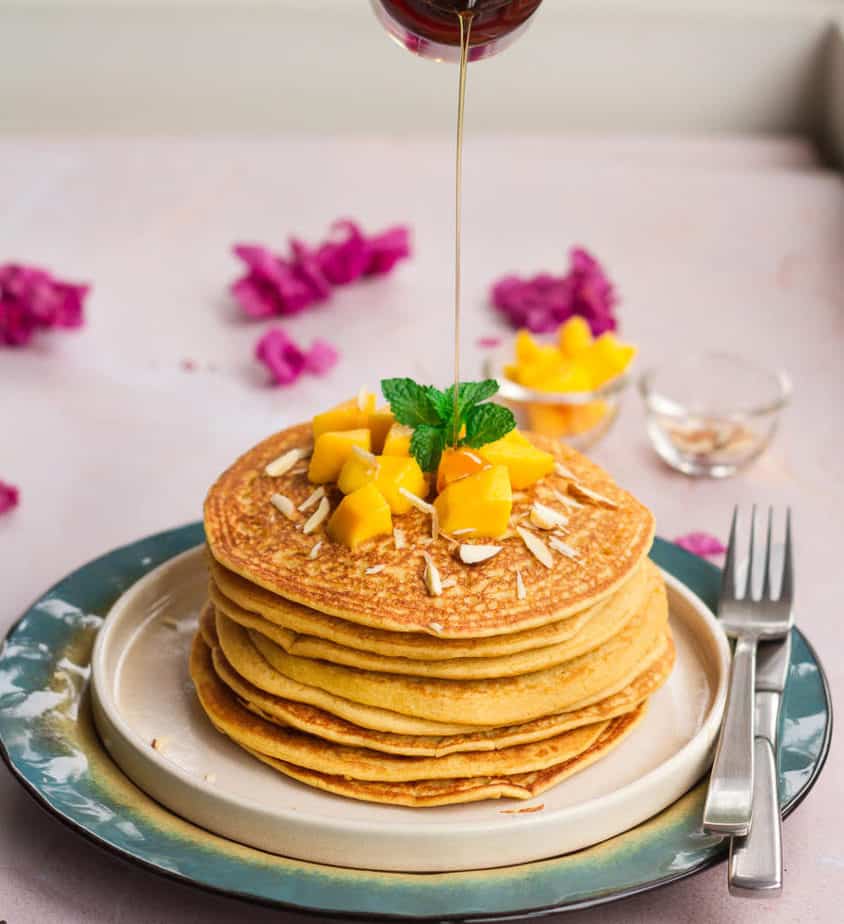
Want your pancakes to be super fluffy? Add an extra 1/2 tsp of baking powder.
What to keep in mind when baking with baking powder?
- Baking powder loses efficacy over time. It’s still safe to eat, but it won’t put life into your baked goods.
- An unopened container is good for one and a half years. An opened one works for 3 to 6 months, depending upon the moisture exposure.
- That’s why you should store the baking powder in a dry and cool place.
- Experimenting with a recipe? For every one cup of flour, use a teaspoon of baking powder.
How can you tell if baking powder is still good?
An easy way to test if your baking powder still works is to mix it with hot water. Take half a teaspoon and combine it in a bowl of water. If you see bubbles or foam rising, the powder is still good to use.
What’s the difference between baking soda and baking powder?
When you look or touch them, baking soda and baking powder are eerily similar. It’s how they are made and how they react with other ingredients that differs.
Baking soda needs an acidic ingredient and liquid to activate. Whereas, baking powder needs only a liquid. That means a recipe with baking powder doesn’t require yogurt, sour cream, brown sugar, or buttermilk (all acidic). Water or regular milk is more than enough.
Why the difference? Because baking powder already has a powdered acid in it. Baking soda doesn’t.
Does baking powder or baking soda make baked goodies rise?
They both do. But baking soda is 4 times stronger than baking powder. If you’re using 1 teaspoon of baking powder, you’ll need only 1/4th teaspoon of baking soda.
When should you use baking soda and when should you use baking powder in a recipe?
Use baking soda when recipes have acid in them: vinegar, lemon juice, buttermilk, chocolate, molasses, brown sugar, cream of tartar, etc.
Use baking powder when recipes don’t need an acidic ingredient. For example, when baking cookies or making pancakes that use just flour, milk, and eggs.
Can you use baking soda instead of baking powder?
Yes, you can. Just make sure to fine-tune the quantity. Divide the amount of baking powder given in the recipe by 4 and use that much baking soda. Also, remember to include an acidic ingredient like milk mixed with vinegar or even some lemon juice.
Can I substitute baking powder for baking soda? How much do I use?
When you don’t have baking soda, the best substitute is baking powder. Again, you’ll have to adjust the quantity. The most accepted ratio is 1:3. If the pancake or bread recipe calls for one teaspoon of baking soda, add 3 teaspoons of baking powder. But so much baking powder will make your baked goodies bitter!
You’ll also have to reduce the amount of salt because the baking powder has more sodium than the baking powder.
I highly recommend being careful when using baking powder instead of baking soda:
There is no exact formula to sub baking powder for baking soda because baking powder contains other ingredients too, and they alter the flavor of the baked item.
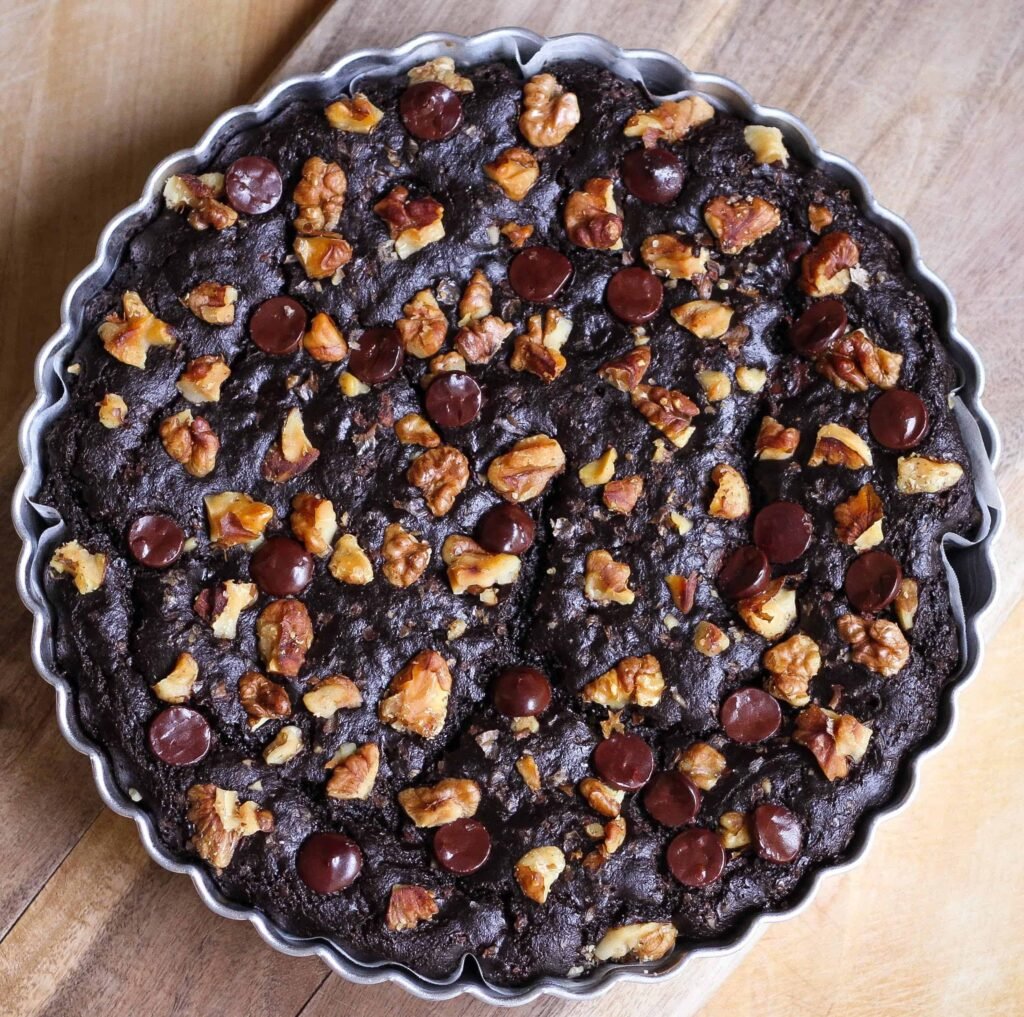
Let’s say you’re substituting baking powder for baking soda in brownies and:
- The brownies taste bitter. Then you’ve added too much baking powder.
- The brownies are hard. Then you’ve used too little baking powder.
Baking soda or baking powder?
The answer to why some recipes ask for baking soda, some for baking powder, and most for both is not cut and dried. There are nuances, like with everything in baking.
Generally speaking, I recommend not to assume the two leaveners are interchangeable and use them willy-nilly. So when you’re trying a recipe, stick to what it says...especially if you are a beginner baker.
To more experienced bakers, who like to tinker with the same recipe again and again, my advice is: experiment with different quantities of baking soda, and you’ll discover a whole new world of flavor, crispness, and elevation.
Douglas Morgan says
Hello,
I have a question about baking powder vs. baking soda.
The altitude of my house is at 8500ft.and I live in Ecuador South America.
I have a recipe for scones that I developed that people seem to like ( repeat orders). My personal issue is that I am not happy with the amount of rise that I get. I currently use only baking powder. If I added say half a teaspoon of baking soda (1/4 teaspoon per cup of flour) could it increase the level of rise? Also does the size of the egg affect the amount of rise? 71 grams (extra large) vs. 50 grams.
Regards,
Doug