
Parker House Rolls

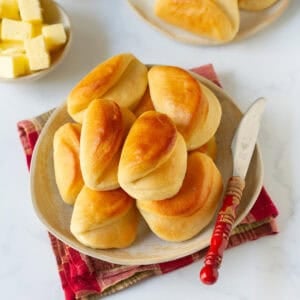
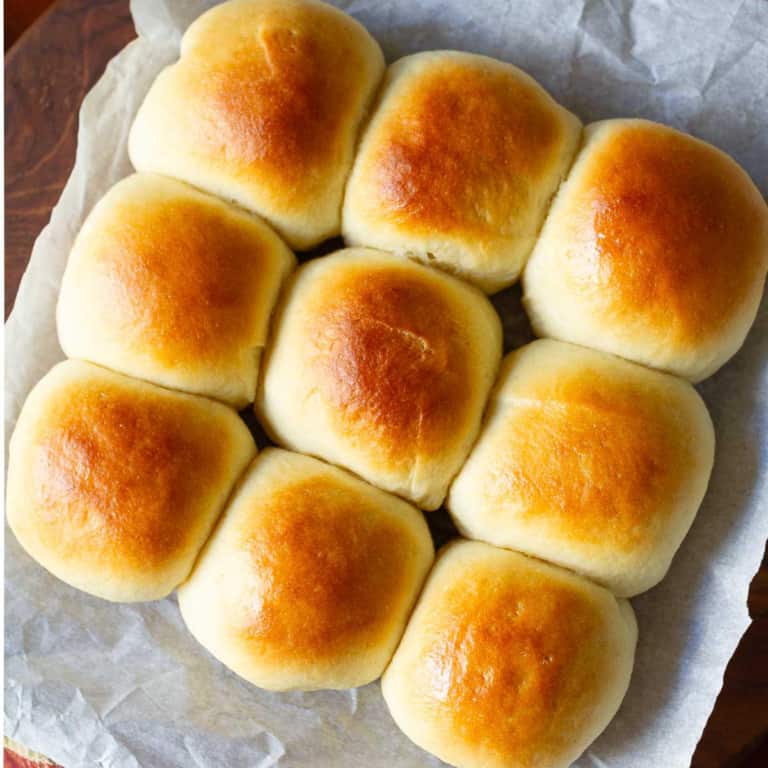
These Parker House Rolls are soft, fluffy dinner rolls with golden tops and a distinctive folded shape. The dough is enriched with milk, butter, and egg, giving the rolls a tender, pillowy texture and a rich flavor that makes them hard to resist.
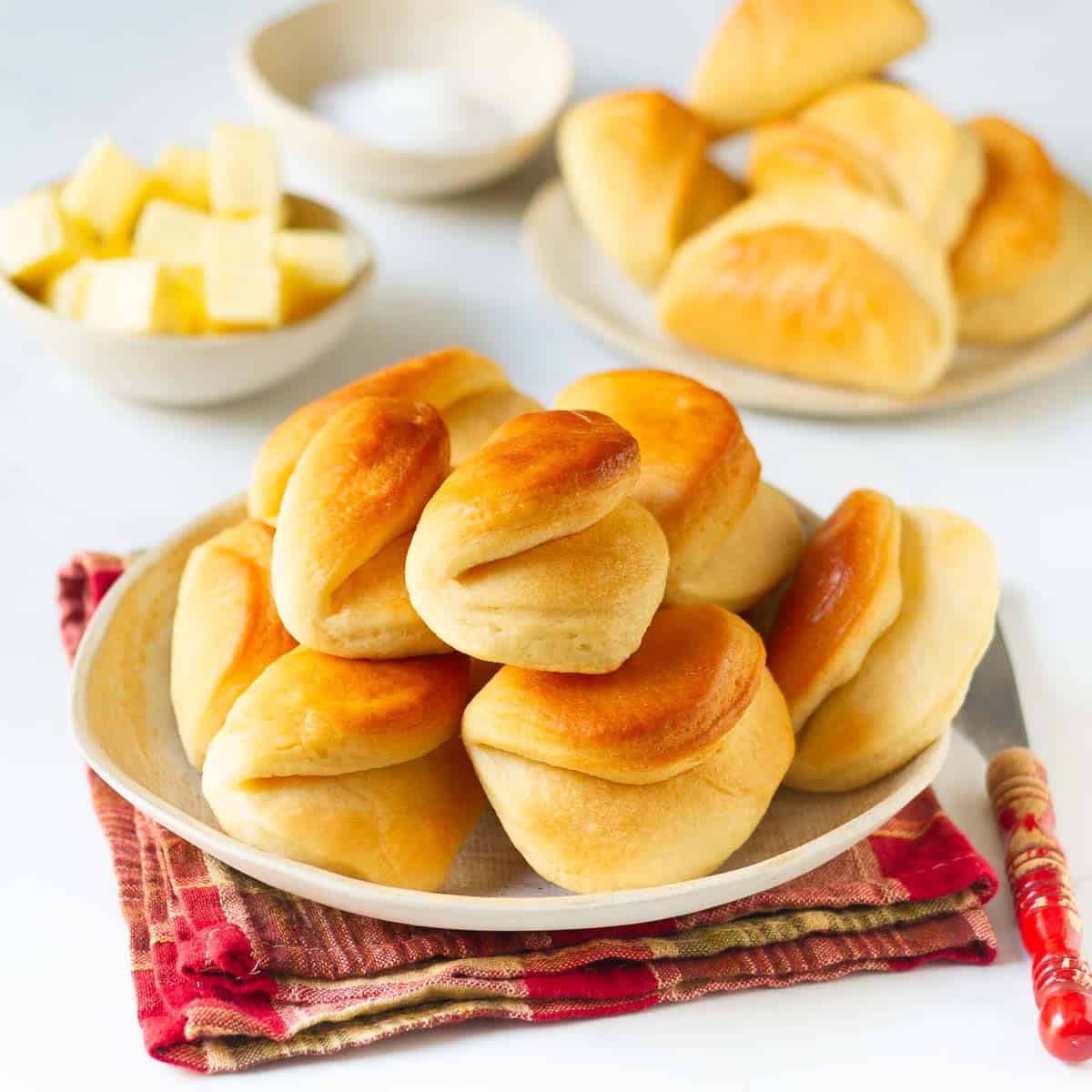
This recipe makes 16 rolls in just about 3 hours, using everyday ingredients. You can knead the dough by hand or in a stand mixer, and the step-by-step photos and video walk you through mixing, proofing, shaping, and baking. Serve them at your Thanksgiving table or with any everyday meal.
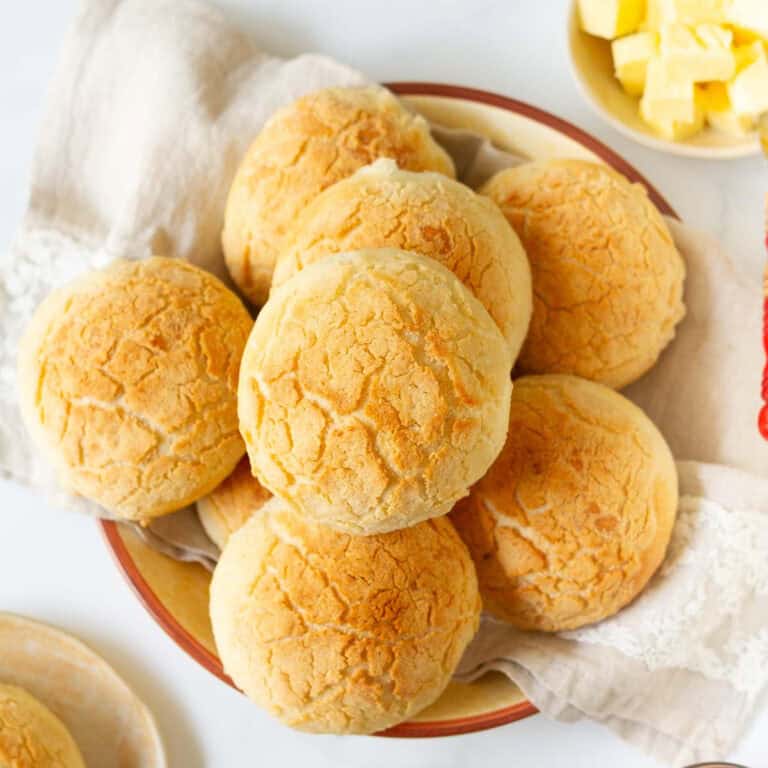
Looking for more easy dinner rolls? Then try my Hawaiian rolls, salted butter rolls, condensed milk rolls, and Mallorca bread buns.
Jump toHideShow
Why You'll Love This Recipe
- Soft and fluffy. The enriched dough makes these rolls tender, pillowy, and rich in flavor.
- A classic dinner roll. Their signature folded shape and golden tops make them a beautiful addition to the dinner table.
- Made with simple ingredients. You’ll need everyday baking ingredients to make these homemade dinner rolls. You most likely already have them all in your kitchen!
- Make them your own. Shape the dough into the classic folded shape or simple round dinner rolls. You can make them whichever way you like.
- Perfect for sharing. Serve these soft dinner rolls warm with Thanksgiving dinner, alongside soups and stews, or with your favorite family meals.
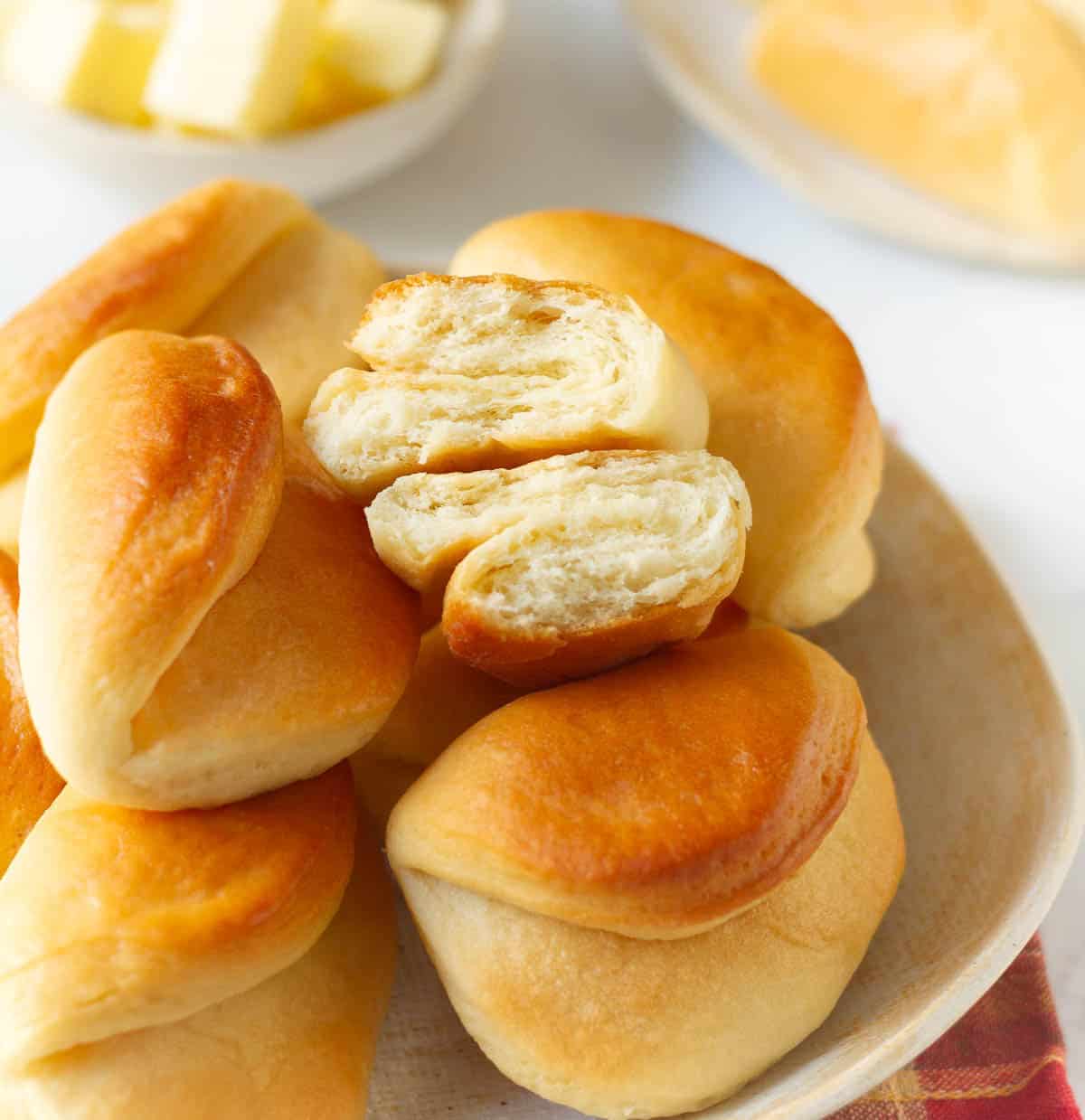
What Are Parker House Rolls?
Parker House rolls are soft, buttery dinner rolls known for their signature folded shape. The dough is rolled out, brushed with butter, folded over, and baked until golden.
These rolls are traditionally associated with the Parker House Hotel in Boston, where they are said to have originated in the 1870s. The story goes that an angry baker tossed unfinished rolls into the oven, and the result was butter-rich inside and crisp outside.
They’re a popular choice for holiday meals, especially Thanksgiving, but they’re also delicious alongside everyday dinners.
Recipe Ingredients
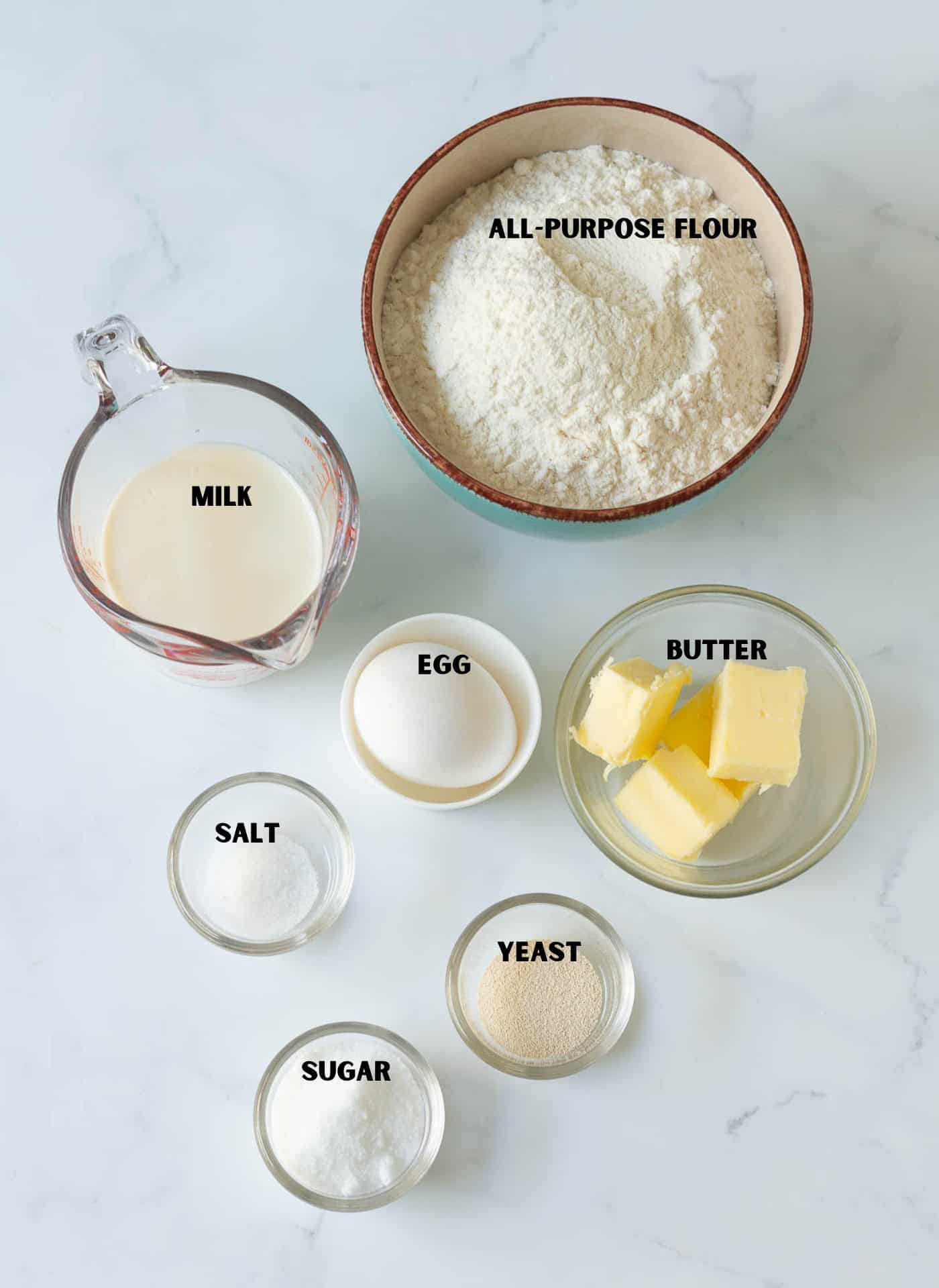
Flour: All-purpose flour works best for these rolls, giving them a soft, fluffy texture.
Yeast: I used dry active yeast, but an equal amount of instant yeast can also be used. Make sure your yeast is fresh and active.
Milk: Whole milk adds moisture and richness to the dough. I recommend avoiding low-fat milk for the best results.
Egg: For structure and to help give the rolls their tender texture.
Butter: You’ll need softened butter for the dough and melted butter to brush on the rolls before folding and again after baking. You can use unsalted or salted butter; I almost always use salted. Add an extra ¼ teaspoon of salt to the dough if using unsalted butter.
Sugar: Adds a touch of sweetness, balances the flavors, and provides food for the yeast.
Salt: Brings out the flavor of the rolls.
Please see the recipe card below for full information about the ingredients and quantities.
How To Make It
Recipe Video
Step-By-Step Instructions
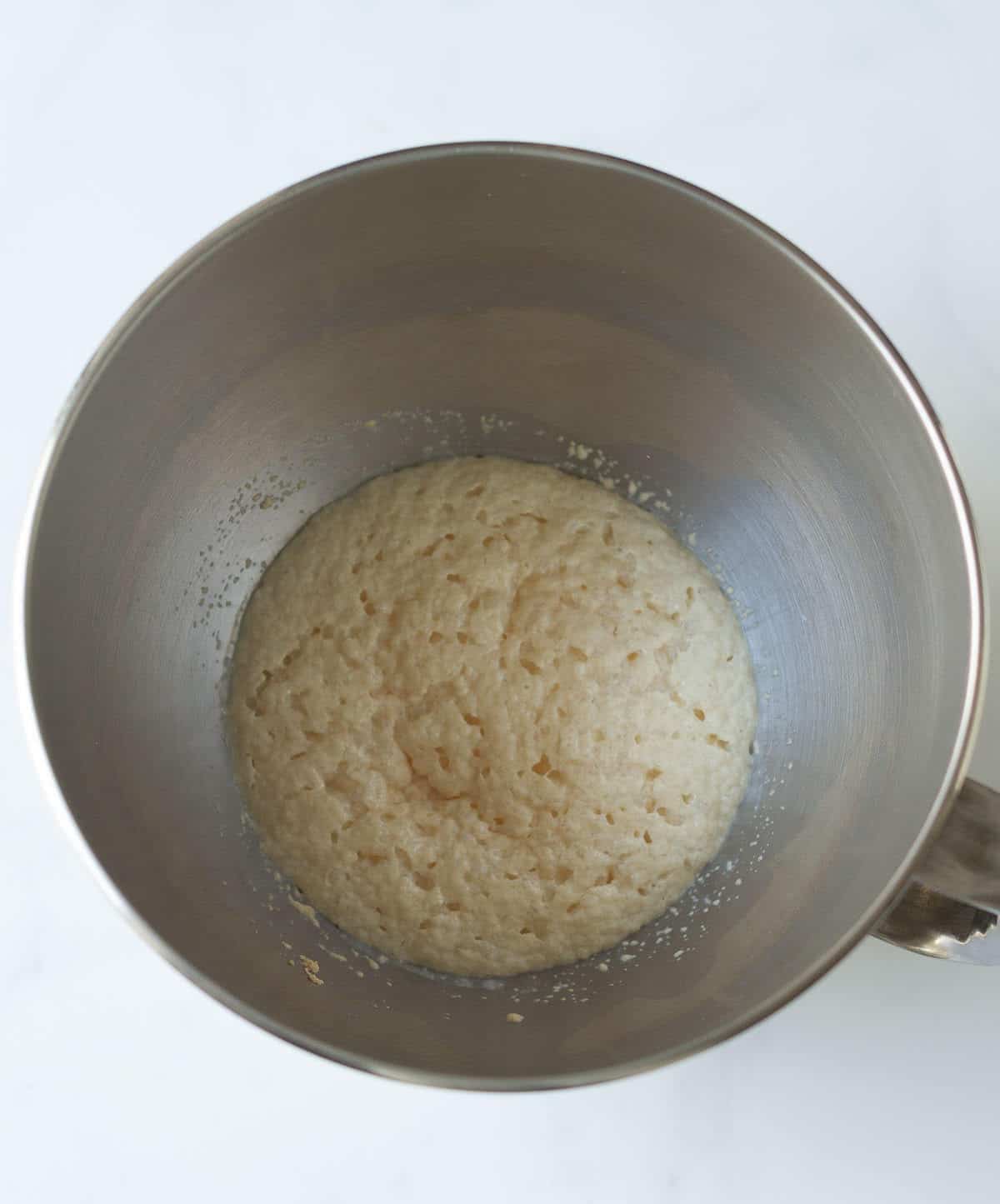
Step 1: Combine lukewarm milk, sugar, and yeast in the bowl of your stand mixer. Let this mixture rest for 10 minutes until it's bubbly.
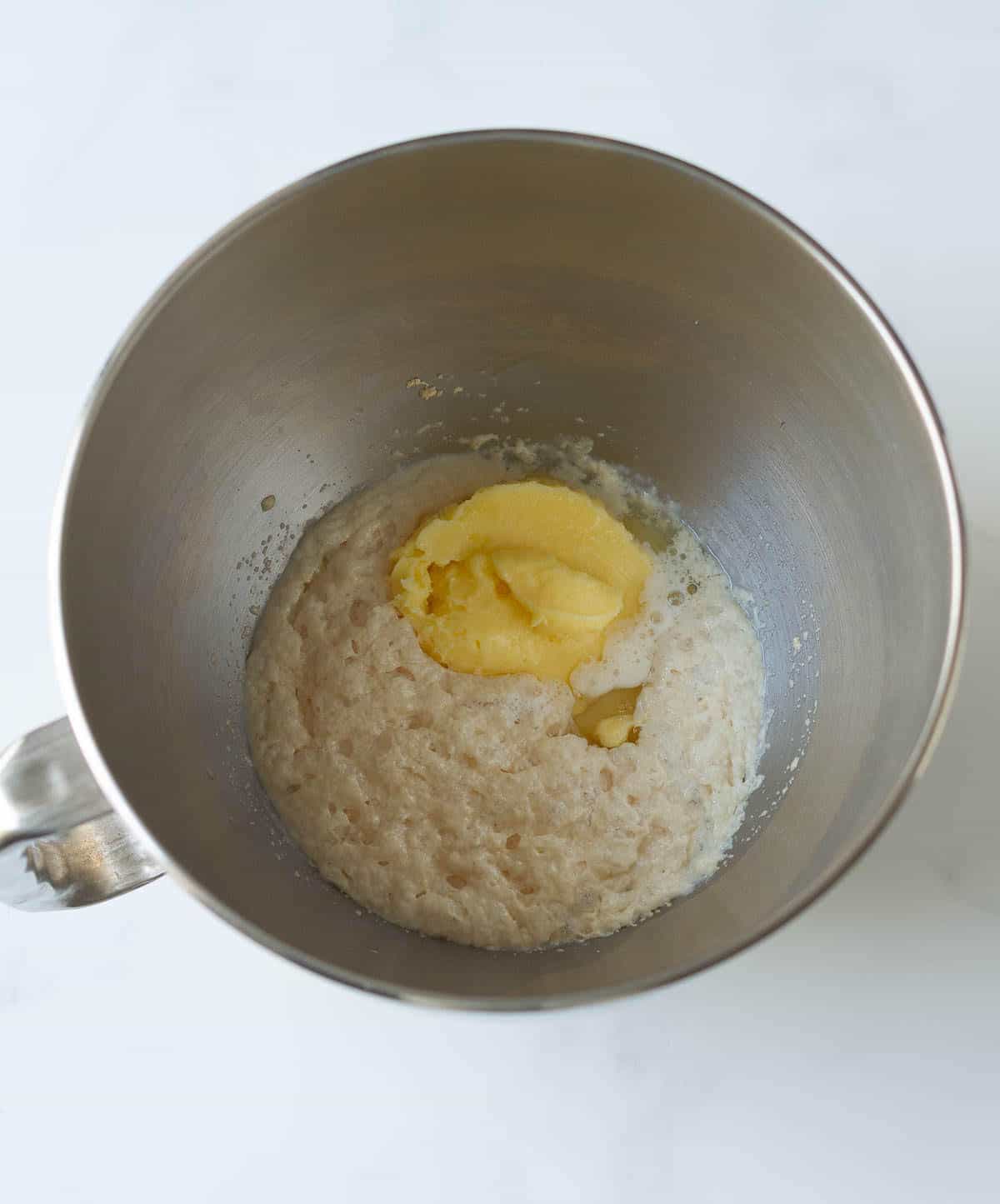
Step 2: Add the butter and egg. Mix well.
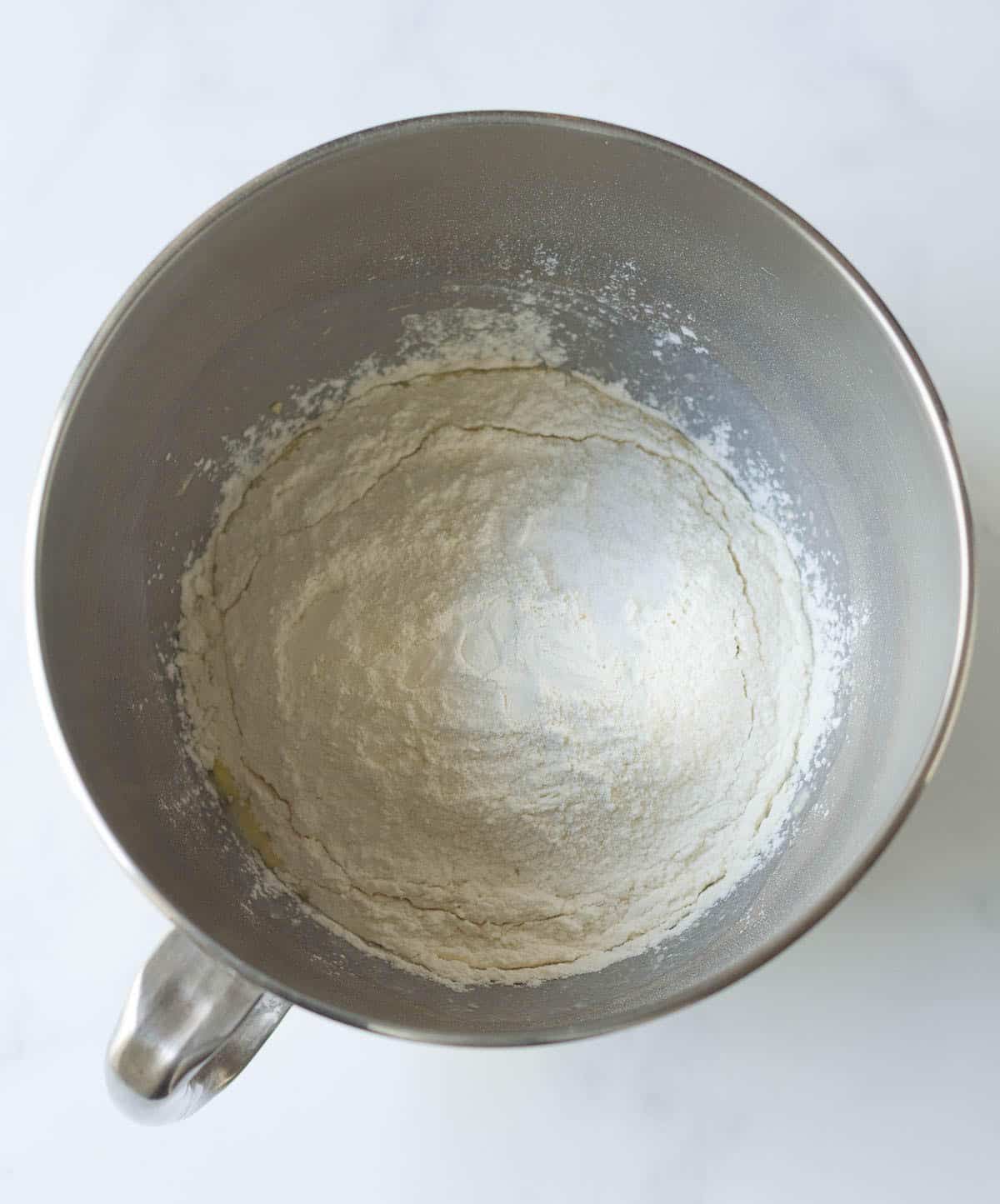
Step 3: Stir in the flour and salt, and mix until a rough dough forms.
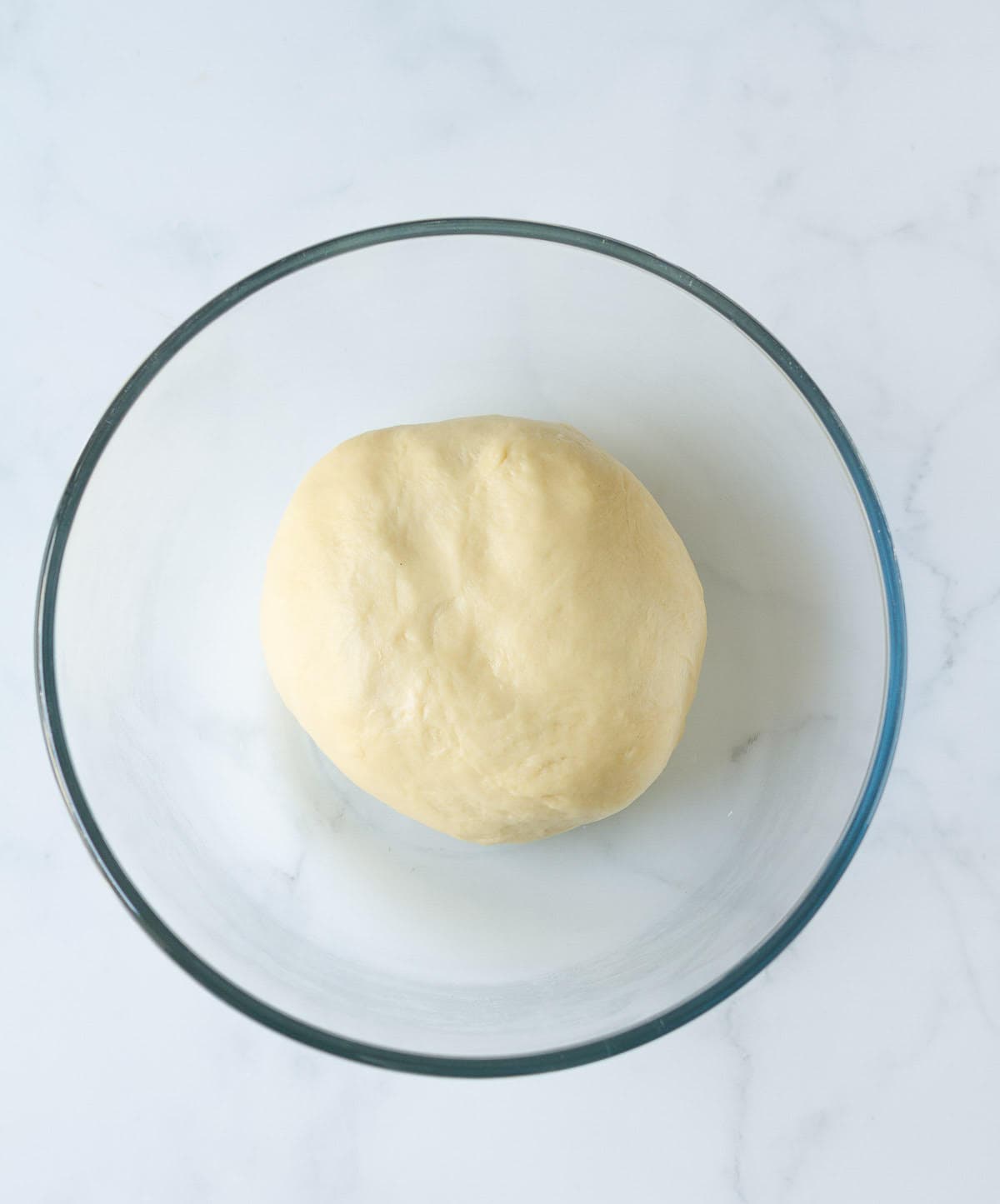
Step 4: Using the dough hook attachment, knead the dough for 8-10 minutes until a soft, smooth dough forms. Place the dough in a lightly greased bowl. You can also knead the dough by hand for 10-12 minutes.
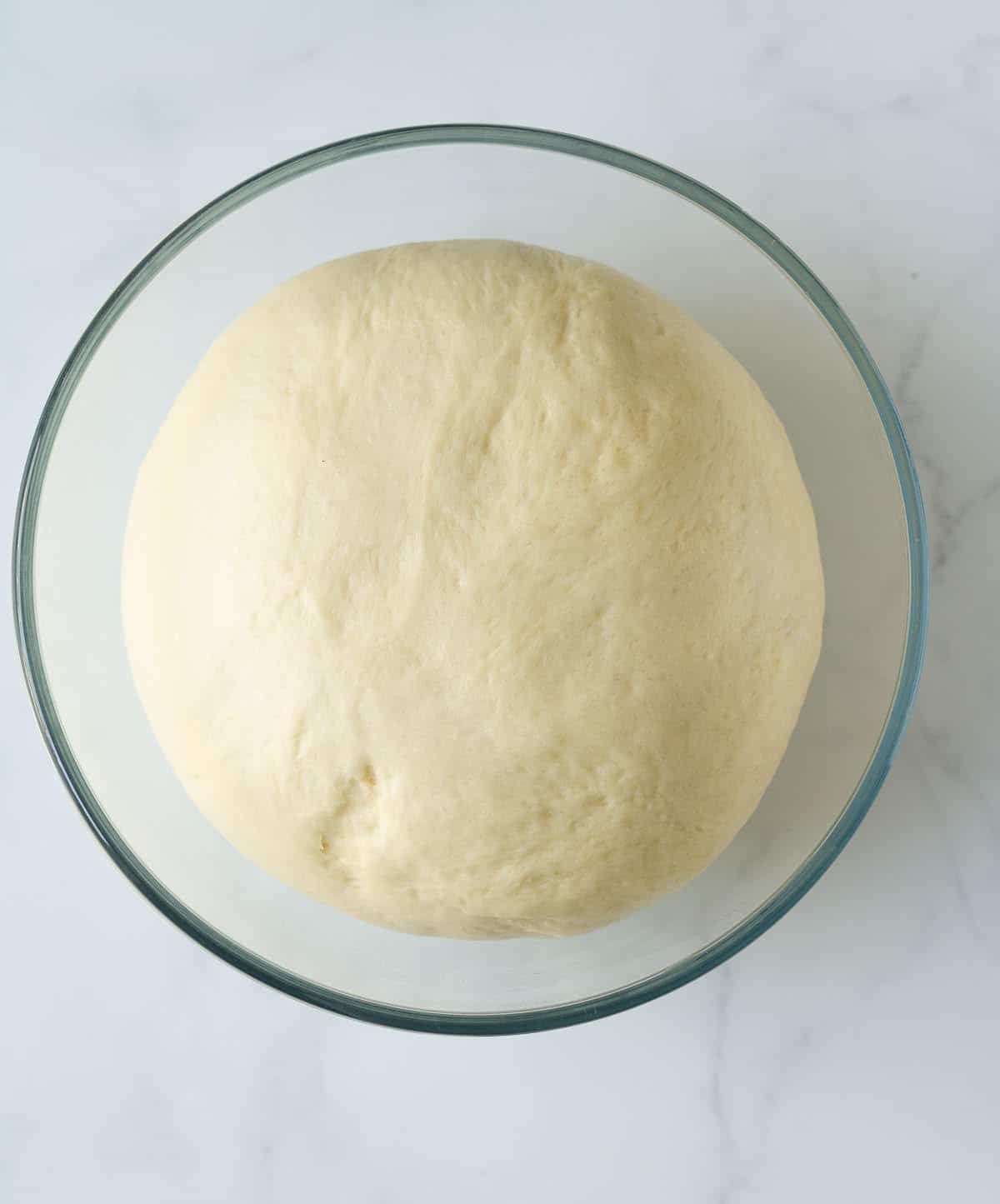
Step 5: Cover and let it proof for 1-1.5 hours, or until the dough doubles in size.
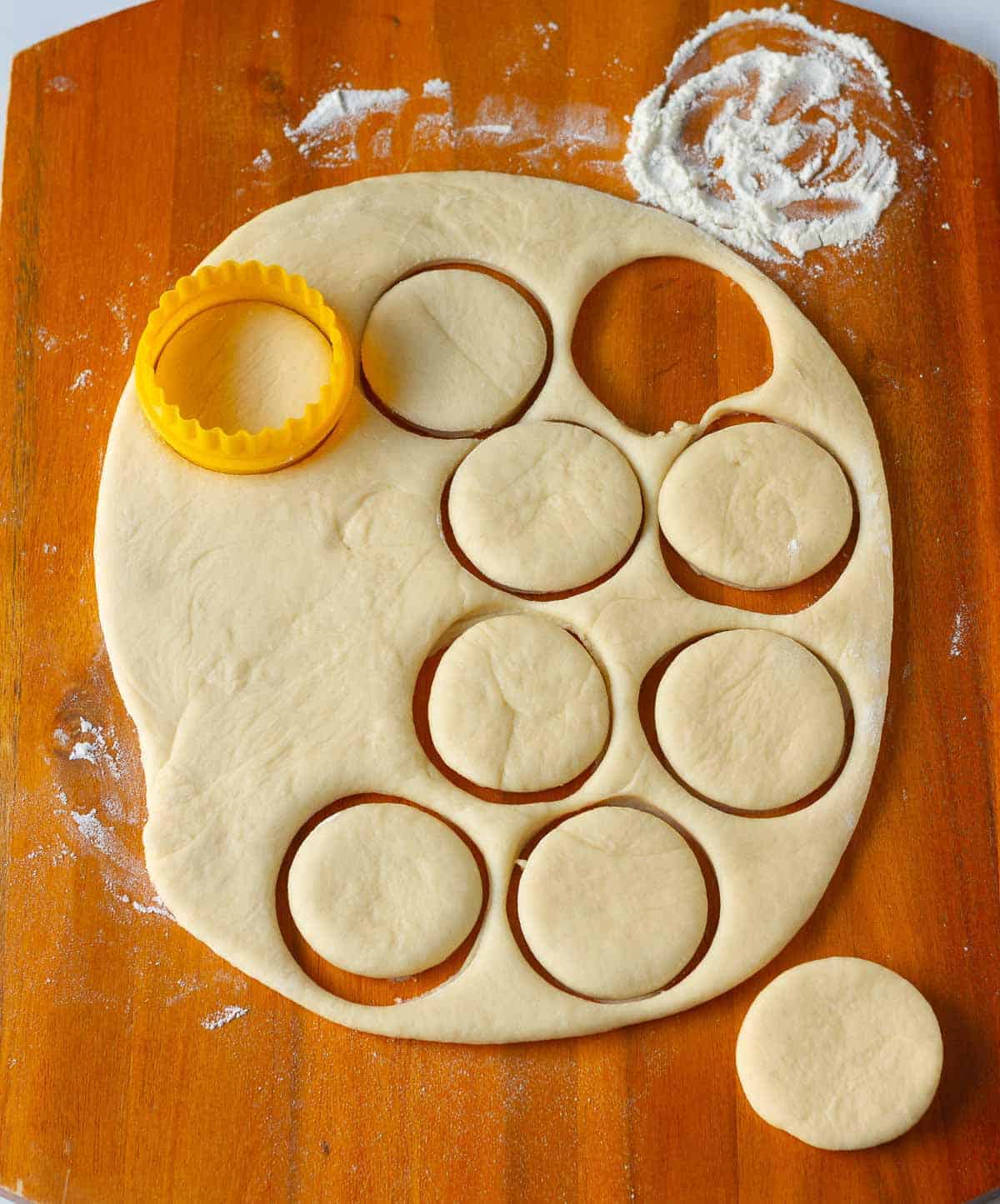
Step 6: Gently deflate the proofed dough and turn it out on a lightly floured surface. Roll the dough to 1/8" thickness. Using a cookie cutter, cut out circles. I used a 3-inch round cookie cutter and was able to get 16 rounds.
How To Shape Parker House Rolls
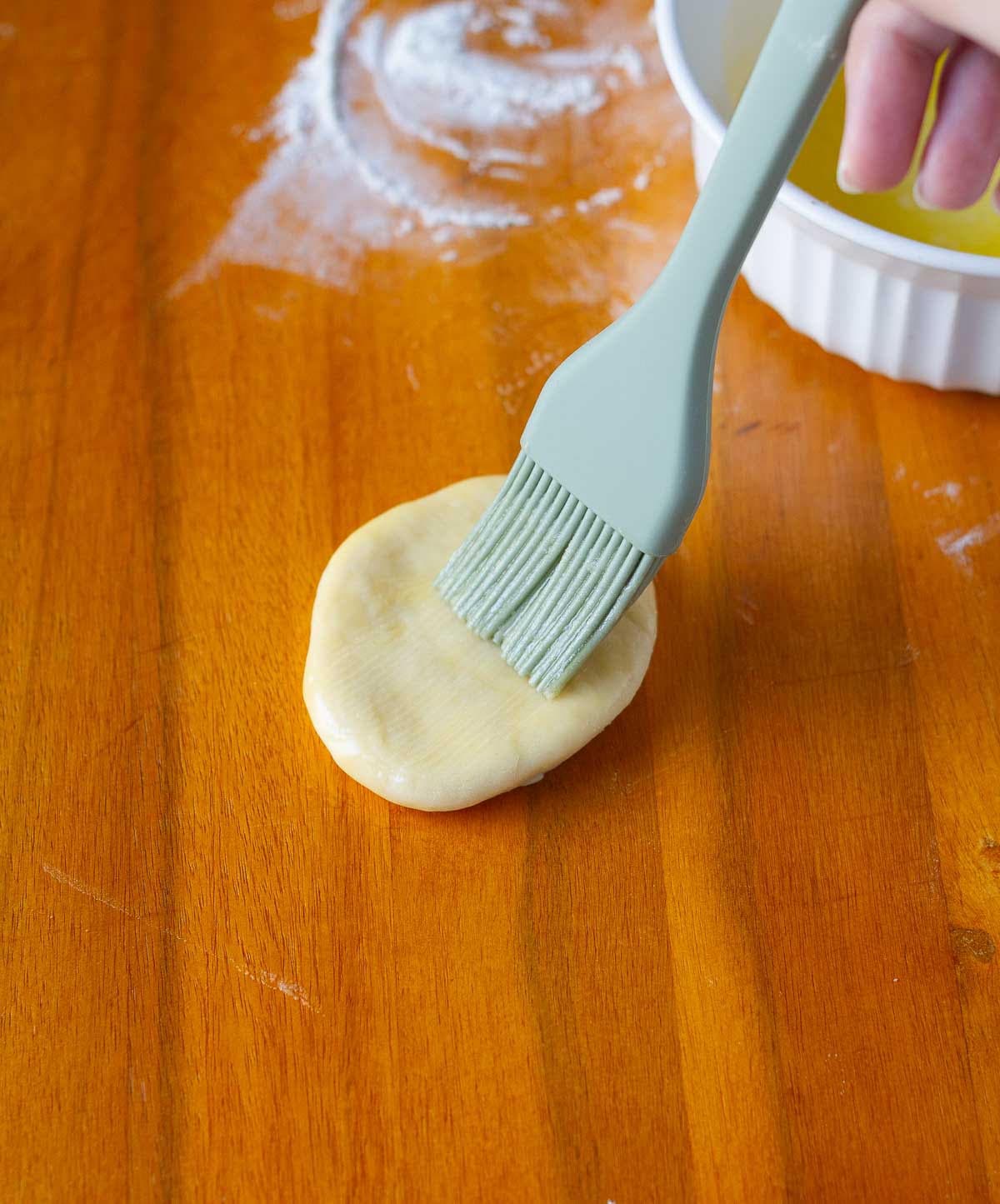
Step 7: Working with one dough circle at a time, lightly press it down to flatten it, then brush with melted butter.
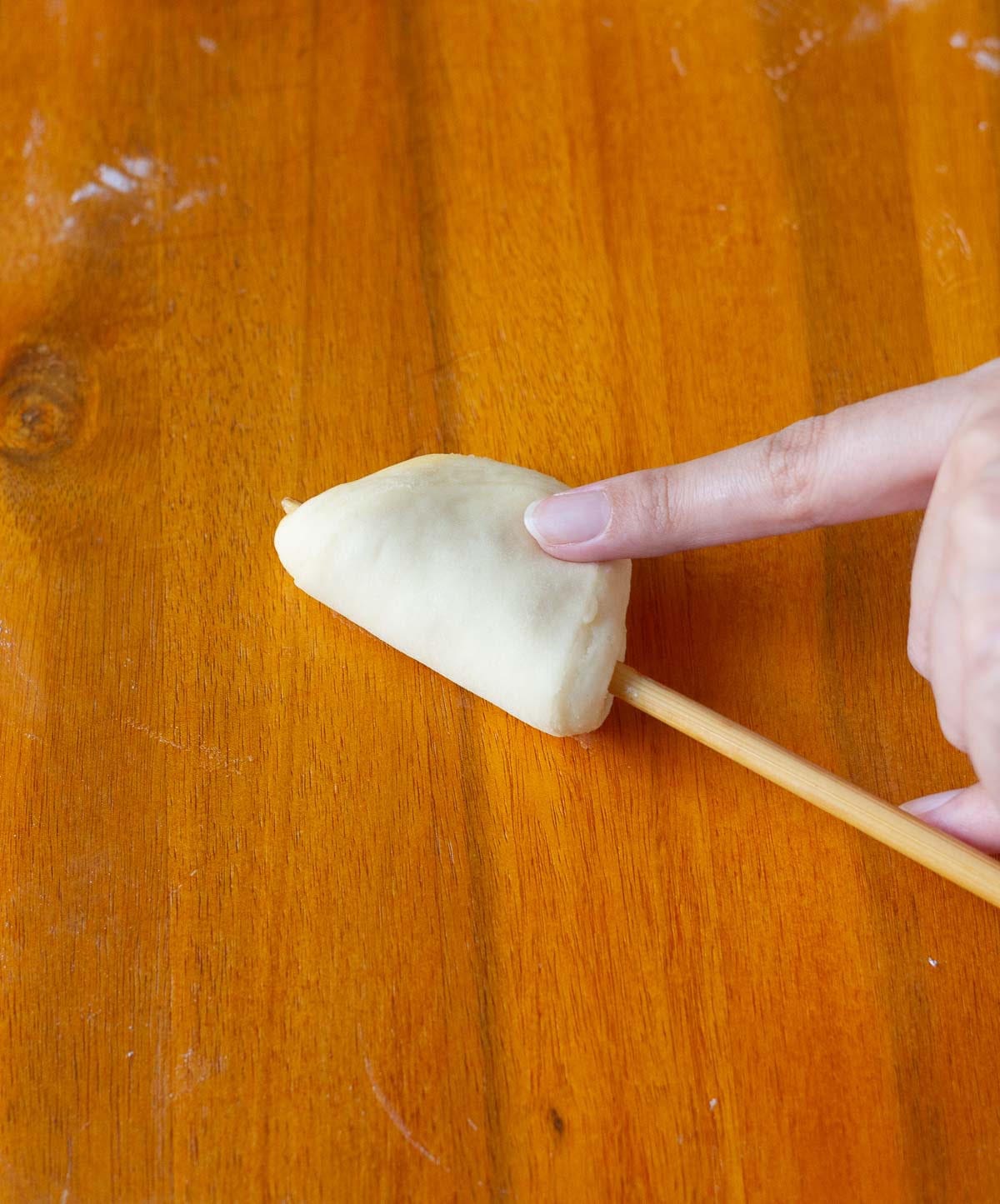
Step 8: Use a skewer or chopstick to make an indent in the center of each circle and fold one half over the other. Press the edges to seal them.
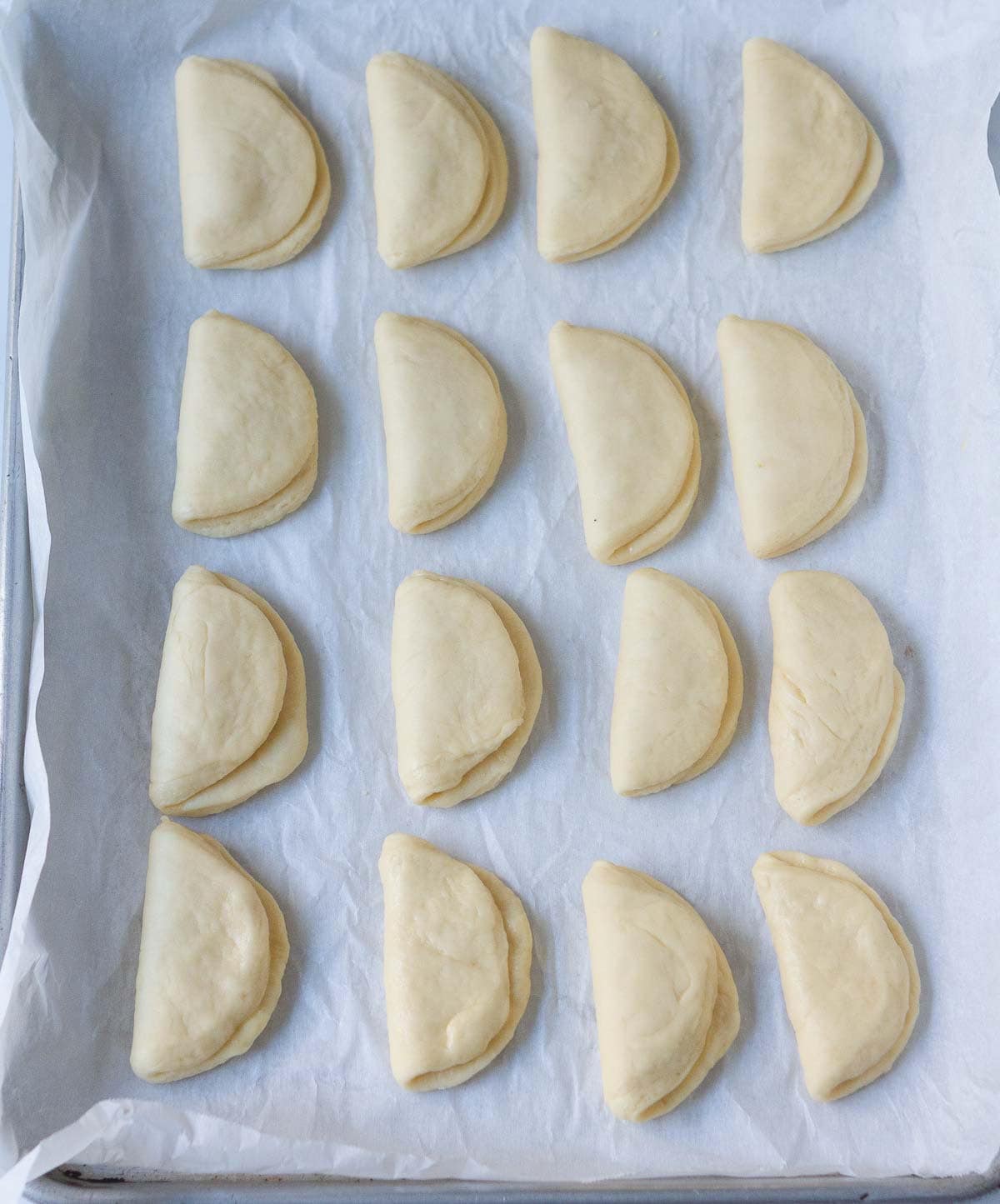
Step 9: Place them on a baking tray. Cover with a kitchen towel and let rise for 15-20 minutes until puffy. Preheat the oven to 190 C/ 375 F.
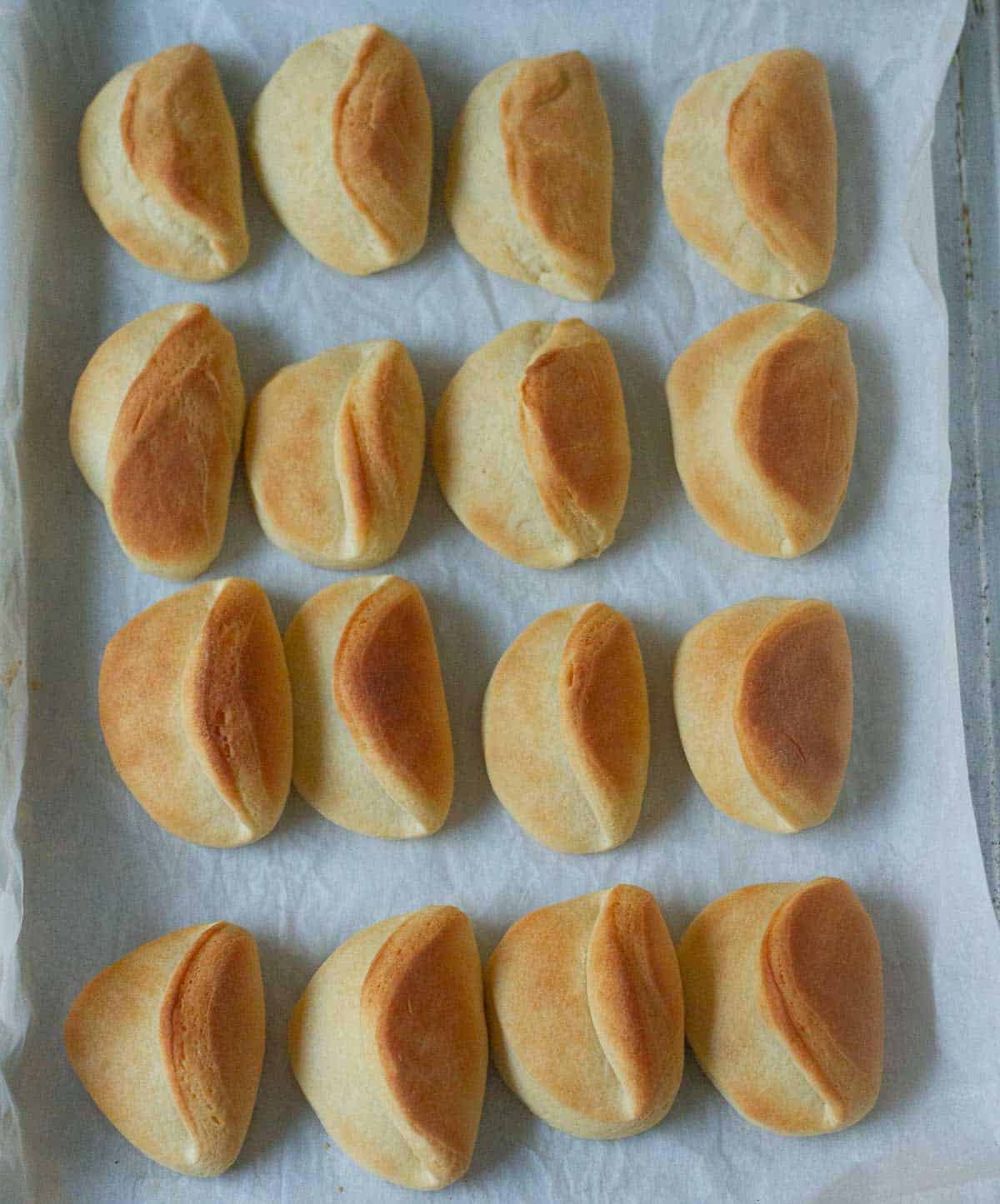
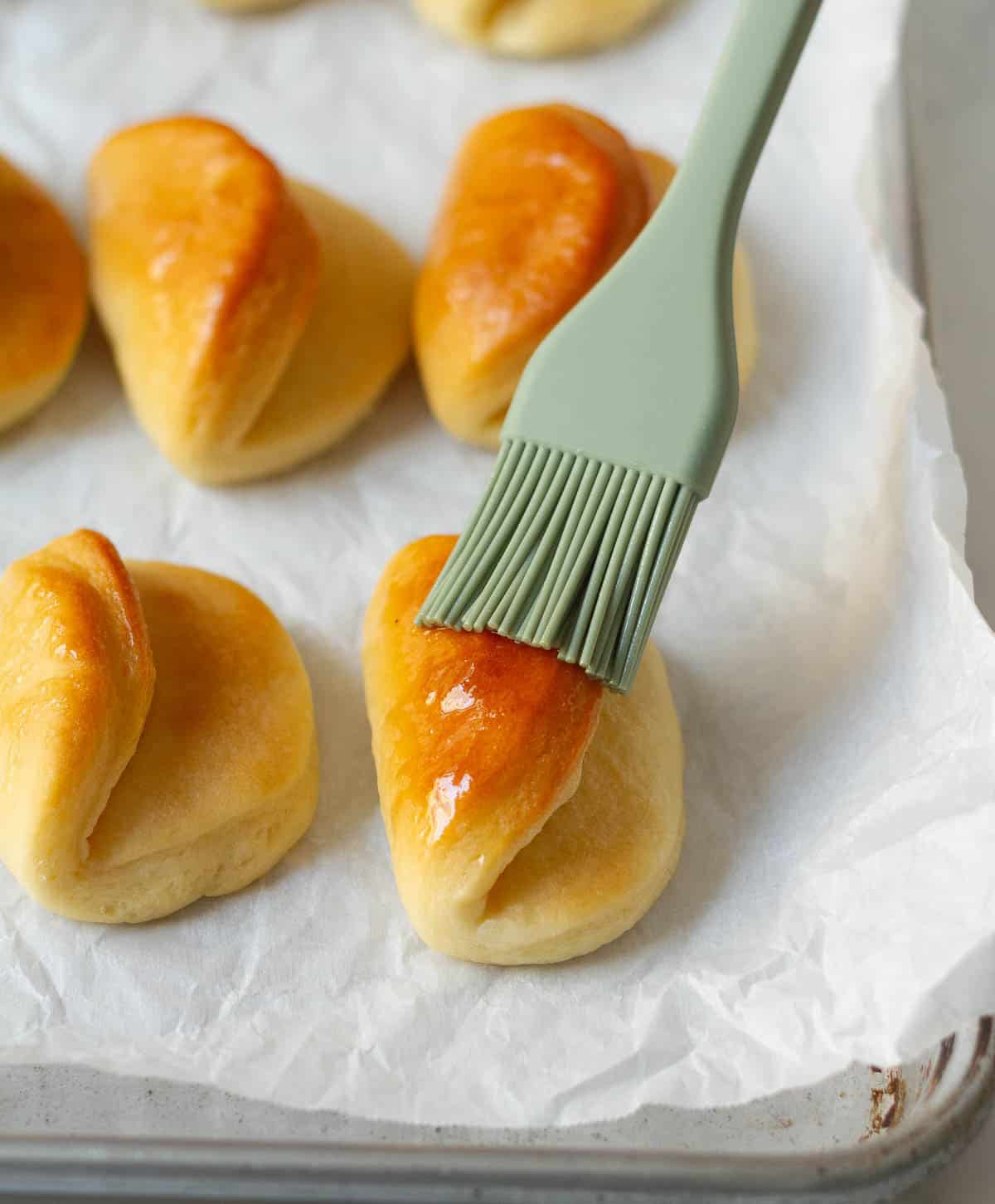
Step 10: Bake the rolls for 18-20 minutes until golden. Remove from the oven and brush with melted butter. Serve warm.
Top Tips
- Weigh your ingredients for the most consistent and accurate results.
- Check your yeast. The yeast mixture should become bubbly and foamy before you continue.
- Knead until smooth and elastic. Proper kneading develops the gluten needed for soft, fluffy rolls.
- Keep the dough soft. If the dough feels too dry, add milk one tablespoon at a time when you’re kneading. If it feels too sticky, add more flour, but avoid making the dough too firm.
- No cookie cutter? Cut the dough into squares or rectangles using a sharp knife instead.
- Don’t rush the first rise. Let the dough rise until it has doubled in size. Rising time will vary depending on your kitchen temperature.
- Let the shaped rolls puff up. They need a shorter second rise. Look for a puffy appearance.
- Start checking the rolls around the 15-minute mark, as baking times can vary between ovens.
How To Serve
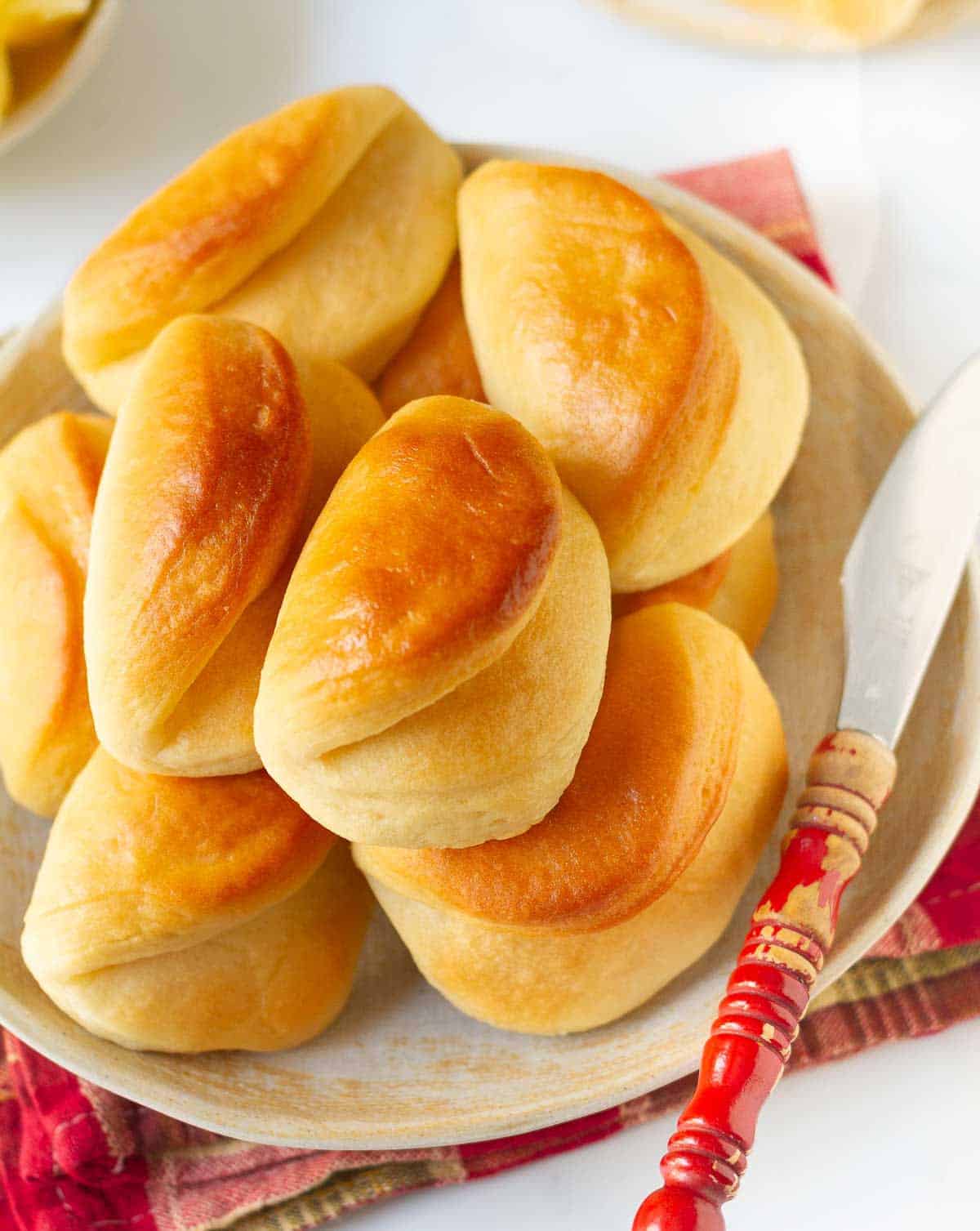
Parker House rolls go well with just about anything! Brush them with butter and serve warm. You can try them with:
- Strawberry chia jam or cinnamon honey butter for breakfast or brunch.
- Cashew ricotta cheese or fried pickle dip as a snack.
- With creamy pea soup, roasted pumpkin soup, Moroccan vegetable stew, or spicy keema curry for dinner.
Recipe FAQs
What makes Parker House rolls different from regular dinner rolls?
Parker House rolls have a distinctive folded shape, with butter brushed on the dough before folding. Made with butter, milk, and egg, they are richer than the regular yeast dinner rolls.
How to store Parker House rolls?
These rolls are best eaten the day they are made. They stay well at room temperature in an airtight container for 1 day. Refrigerate them for 3-4 days for longer storage.
Reheat in the oven or microwave.
Can I freeze Parker House rolls?
Yes, bake the rolls, but don’t brush them with butter. Allow them to cool completely, wrap well, and freeze for a month.
To serve, thaw at room temperature and heat them in a pre-heated oven at 180 C/ 350 F, covered, for 10-15 minutes. Brush with melted butter and serve immediately.
More Easy Bread Recipes
Recipe
Parker House Rolls
Ingredients
- 1/2 cup Milk
- 1.5 tsp Active dry yeast
- 2 tbsp Sugar
- 4 tbsp Butter, softened
- 1 Egg
- 2.5 cups All-purpose flour
- 1/2 tsp Salt
- 2 tbsp Melted butter, for brushing on the dough
- 1 tbsp Melted butter, for brushing on the baked rolls
Instructions
- Combine lukewarm milk, sugar, and yeast in the bowl of your stand mixer. Let this mixture rest for 10 minutes, until it is bubbly. 1/2 cup Milk, 1.5 tsp Active dry yeast, 2 tbsp Sugar
- Add in the softened butter and egg. Mix well.4 tbsp Butter, softened, 1 Egg
- Stir in the flour and salt, then mix until a shaggy dough forms.2.5 cups All-purpose flour, 1/2 tsp Salt
- Using the dough hook attachment, knead the dough for 8-10 minutes, until a soft, smooth dough forms.You can also knead the dough by hand for 10-12 minutes.
- If the dough seems a bit hard or dry, add more milk, 1 tablespoon at a time.If it seems too wet, add more flour.
- Place the ready dough in a greased bowl, cover with a kitchen towel. Let it rest for 1-1.5 hours, or until the dough doubles in size.
- Gently deflate the proofed dough and turn it out on a lightly floured surface.
- Roll the dough to 1/8" thickness. Using a cookie cutter, cut out circles. I used a 3" round cookie cutter and got 16 rounds.You can also cut the rolled-out dough into rectangles or squares using a sharp knife.
- Working with one dough circle at a time, lightly press it down and brush it with melted butter.2 tbsp Melted butter
- Use a skewer or chopstick to make an indent in the center of each circle and fold one half over the other. Press the edges to seal them.Repeat with all the remaining dough circles.
- Place the folded rolls on a baking tray lined with parchment paper. Cover with a kitchen towel and let rise for 15-20 minutes, or until puffy.
- Preheat your oven to 190 C / 375 F.
- Bake the rolls at 190 C/ 375 F for 18-20 minutes, until golden. Remove from the oven and brush with melted butter. Serve warm.1 tbsp Melted butter, for brushing on the baked rolls
Video
Notes
- Weigh your ingredients for the most consistent and accurate results.
- Check your yeast. The yeast mixture should become bubbly and foamy before you continue.
- Knead until smooth and elastic. Proper kneading develops the gluten needed for soft, fluffy rolls.
- Keep the dough soft. If the dough feels too dry, add milk one tablespoon at a time when you’re kneading. If it feels too sticky, add more flour, but avoid making the dough too firm.
- No cookie cutter? Cut the dough into squares or rectangles using a sharp knife instead.
- Don’t rush the first rise. Let the dough rise until it has doubled in size. Rising time will vary depending on your kitchen temperature.
- Let the shaped rolls puff up. They need a shorter second rise. Look for a puffy appearance.
- Start checking the rolls around the 15-minute mark, as baking times can vary between ovens.




Loved the recipe
Natasha Author
Thank you so much!
Do you fold butter side in or out?
Natasha Author
Hi Nydia sorry for the late response. You would fold the brushed butter side in. Hope this helps. xx