
Easy Sourdough Discard Bread

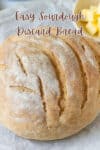
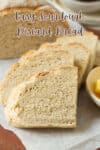
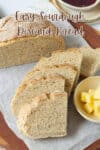
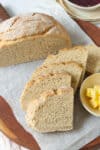
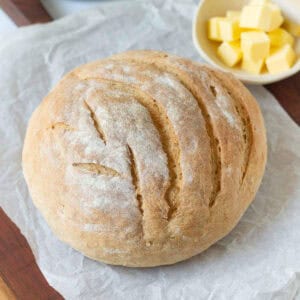
Have sourdough discard sitting in your fridge? Turn it into a beautiful loaf of bread with a crackly crust and a soft, chewy crumb. This sourdough discard bread recipe uses yeast, so there is no long fermentation or complicated sourdough process. You can have a gorgeous homemade loaf on the table the same day!
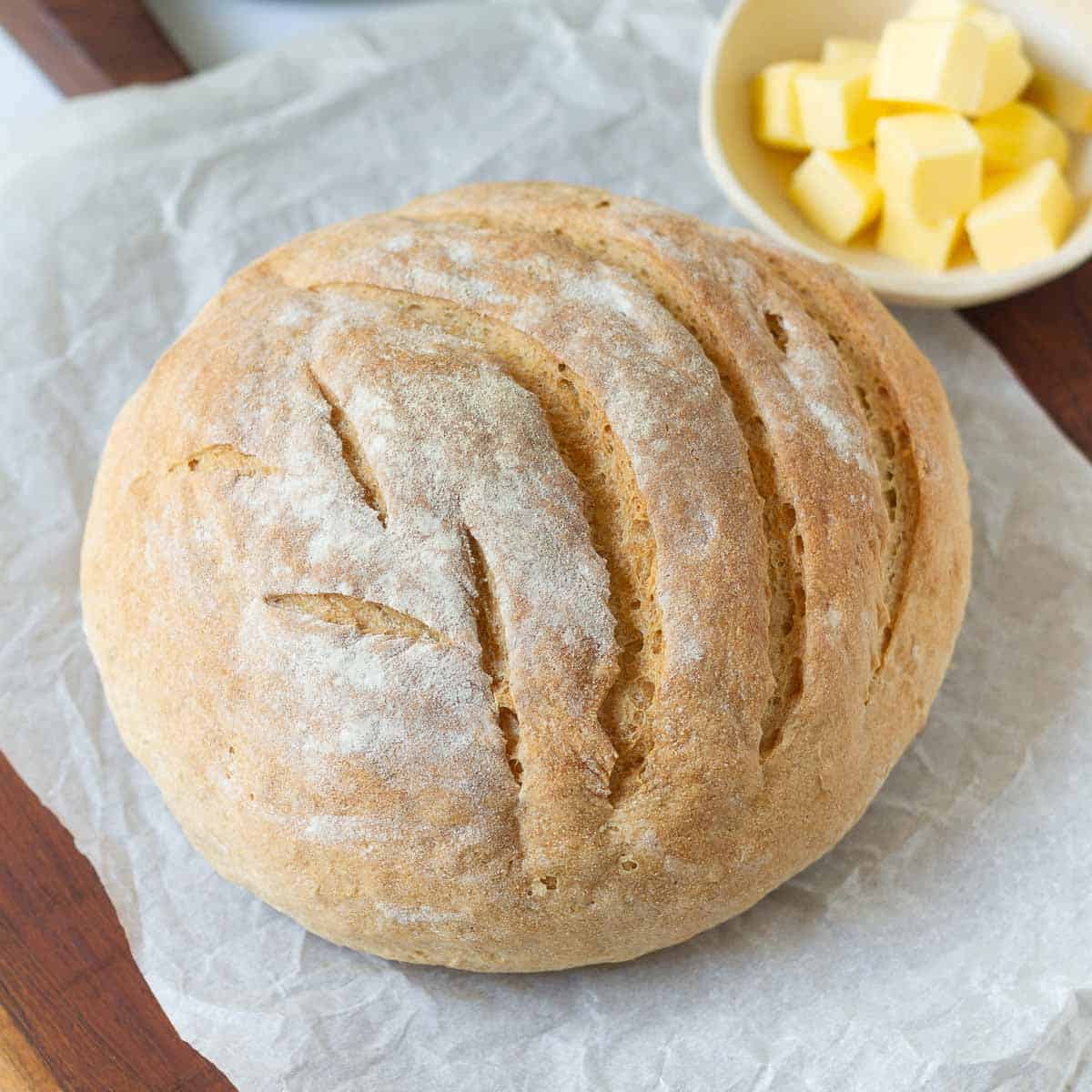
The sourdough discard adds a little tang to the bread, while a blend of all-purpose and whole wheat flour gives a delicious heartiness. It's an everyday loaf that’s wonderful for toast, sandwiches, or just enjoying on its own.
I always have discard sitting in my fridge, so I'm constantly finding new ways to use it! Some of my favorites are fluffy sourdough pancakes, sourdough discard banana pancakes, sourdough peanut butter brownies, and sourdough oatmeal walnut cookies.
Jump toHideShow
Why You'll Love This Recipe
- A great way to use sourdough discard. I love a no-waste recipe! And it also adds a subtle tanginess to the bread.
- No long sourdough process. This recipe uses yeast, so you get a quick sourdough discard bread without the long fermentation and timing of traditional sourdough bread.
- Soft inside, crackly outside. The loaf has a tender, chewy crumb and a beautifully crisp crust.
- Simple ingredients. You only need a handful of everyday pantry ingredients along with your sourdough discard to make this bread.
Recipe Ingredients
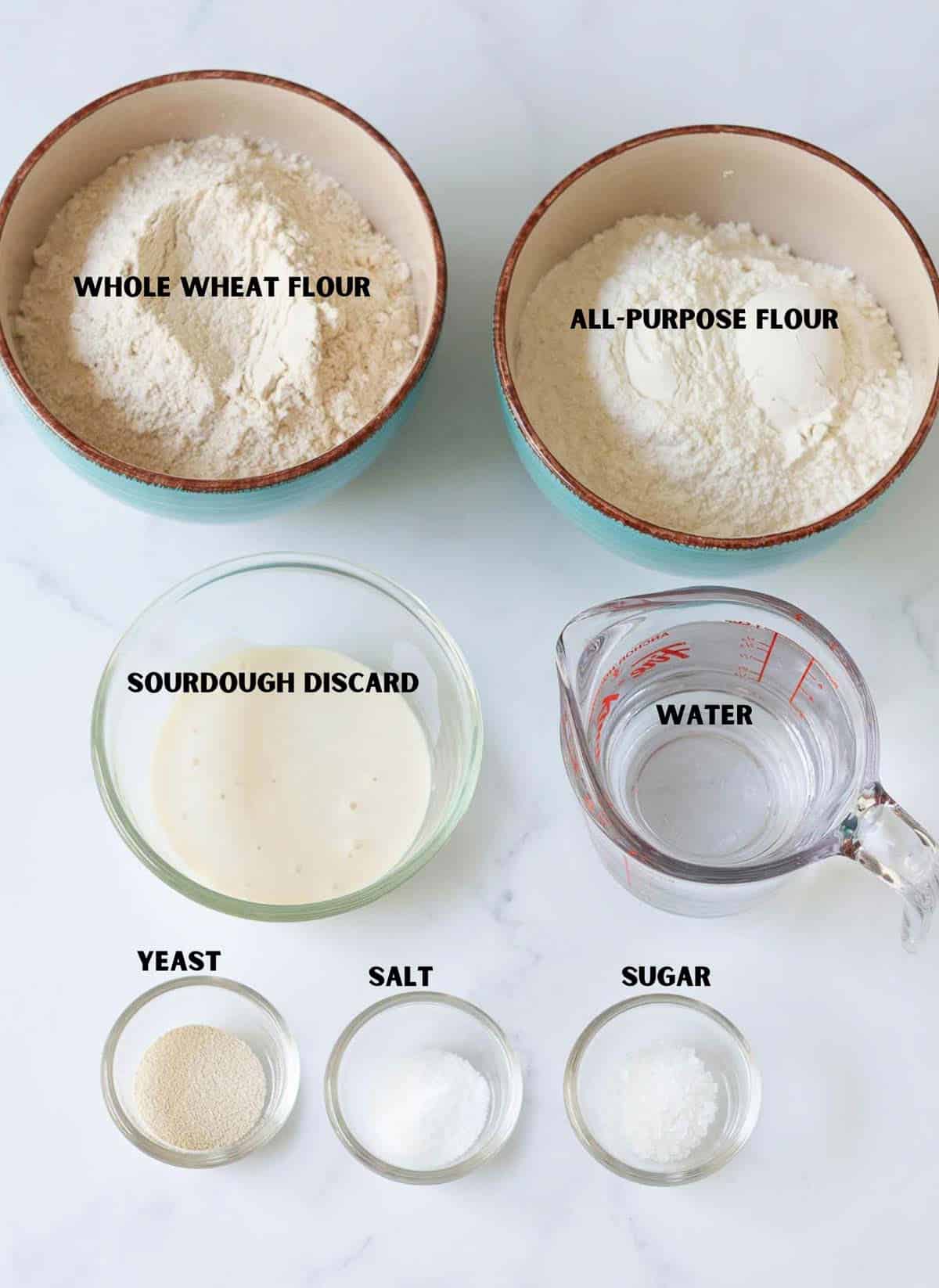
All-Purpose Flour: Gives the loaf its structure and a light, soft crumb.
Whole Wheat Flour: Adds flavor and a little more texture to the sourdough discard loaf.
Sourdough Discard: This adds a gentle tang. Bring your discard to room temperature before using.
Yeast: You can use active dry yeast or instant yeast. Please make sure your yeast is fresh and not expired.
Water: Use lukewarm water (about 40 C /105 F) to activate the yeast.
Sugar: A small amount of sugar helps activate the yeast.
Salt: This enhances the flavor of the bread.
Please see the recipe card below for full information about the ingredients and quantities.
How To Make It
Recipe Video
VIDEO SLOT — paste the Raptive video shortcode into the HTML block below. No video? Delete this line, the heading above it and the empty HTML block under it.
Step-By-Step Instructions
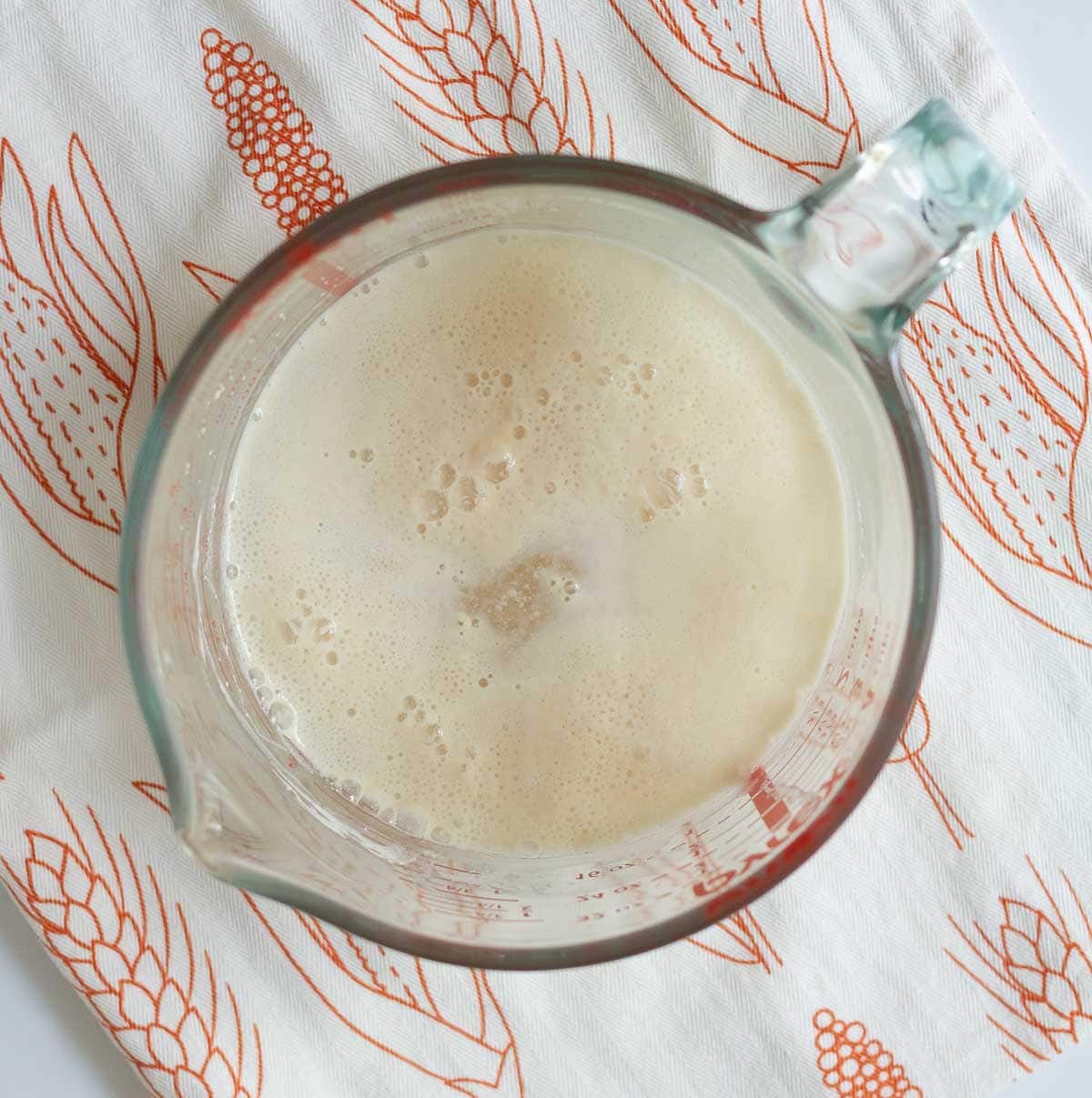
Step 1: In a small bowl, dissolve yeast and sugar in the water. Let stand for 10 minutes until foamy.
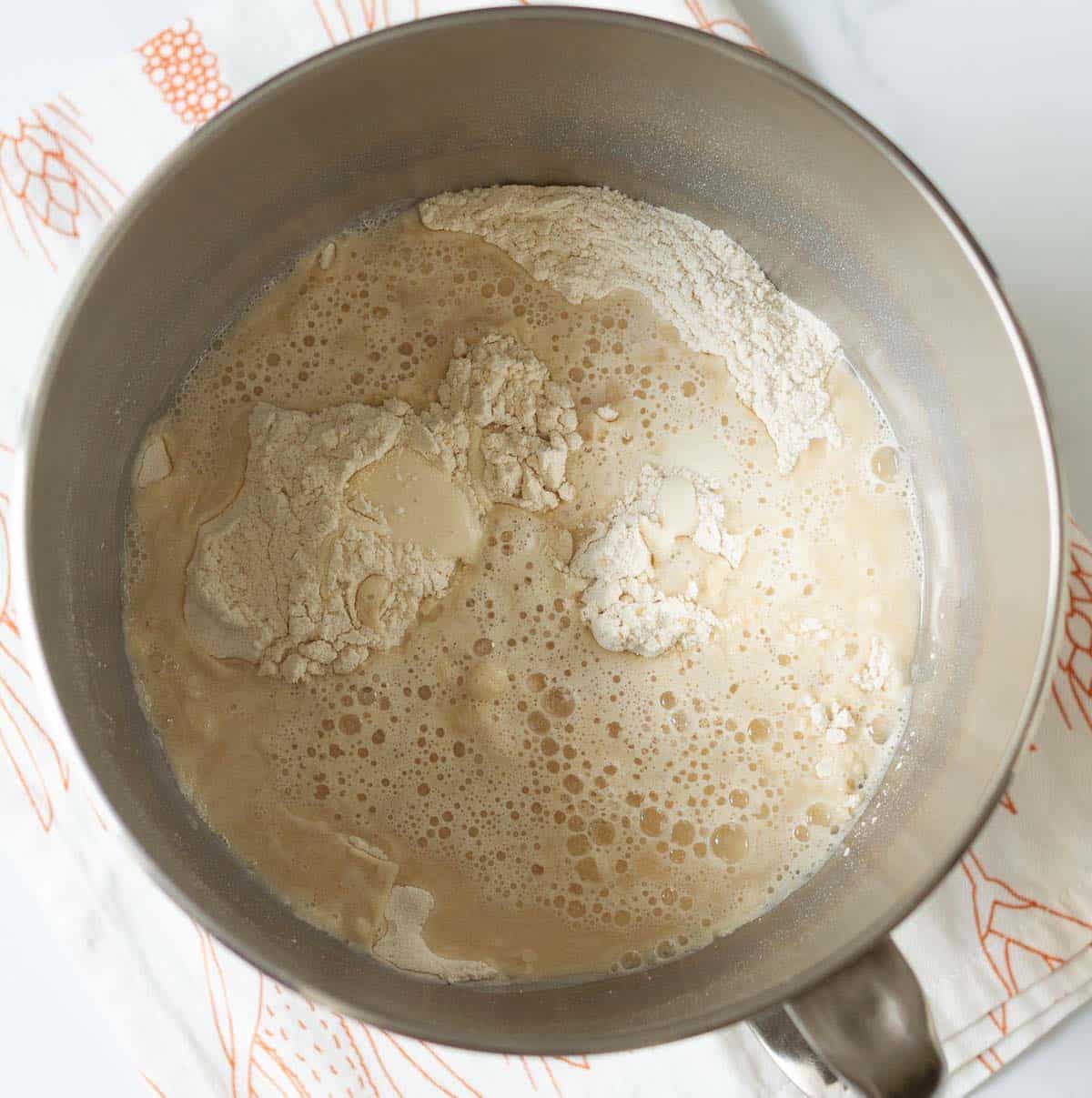
Step 2: In the bowl of a stand mixer, add the flours and salt. Pour in sourdough discard and the bubbly yeast mixture. Mix with a spatula until a shaggy dough forms.
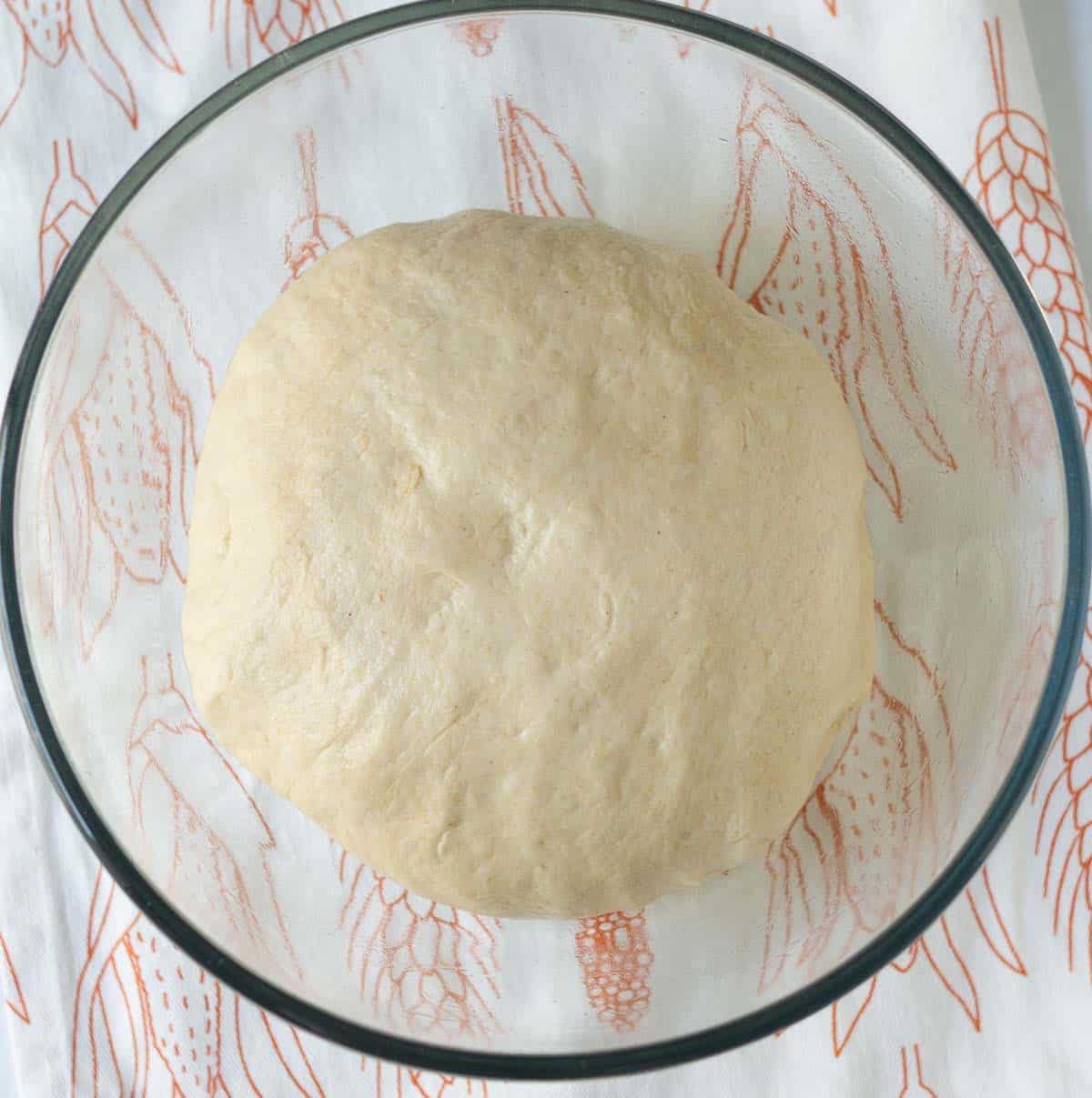
Step 3: Knead the dough for 8-10 minutes, until the dough is smooth, elastic, and slightly sticky to the touch. Transfer the dough to a lightly greased bowl.
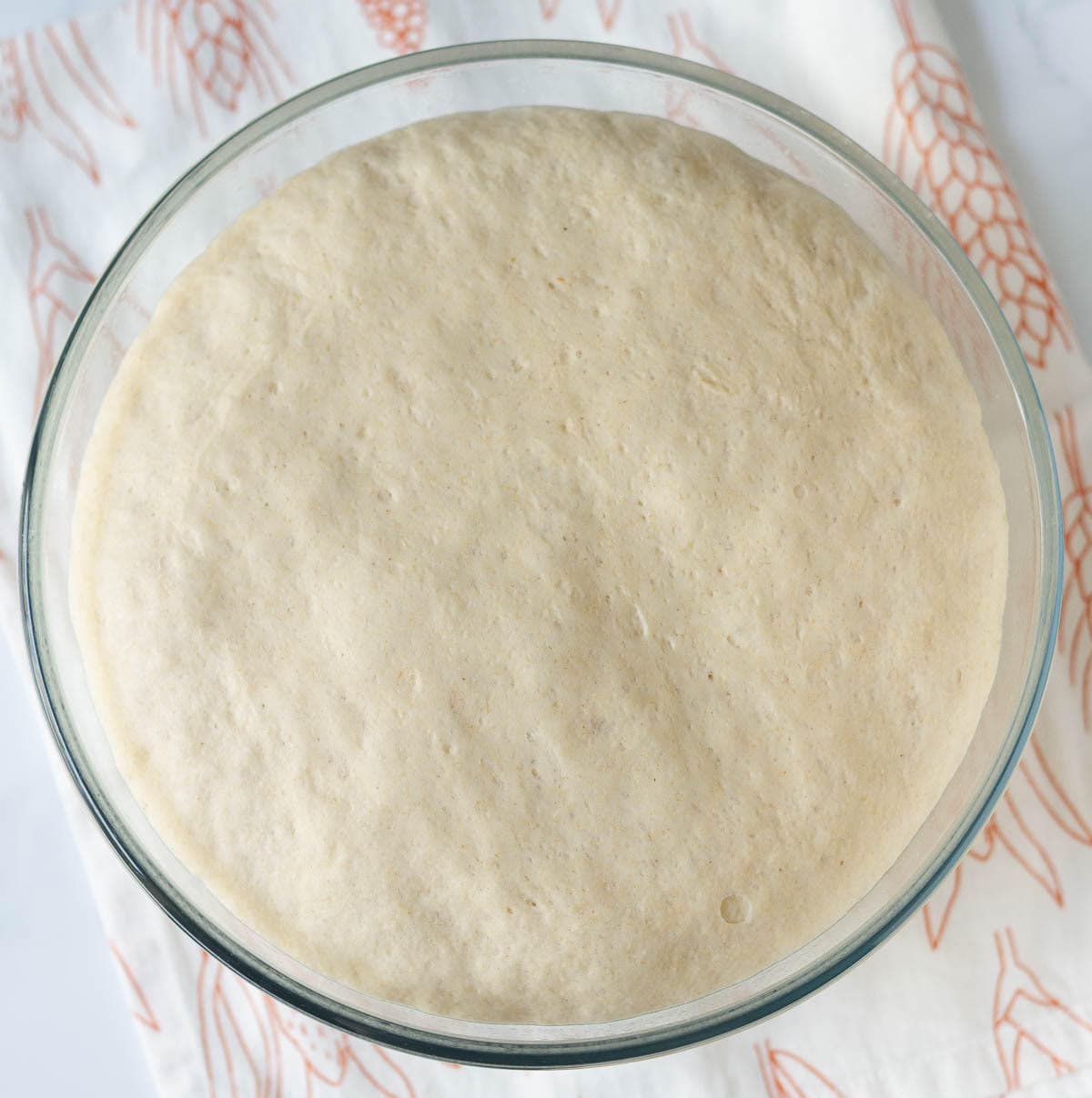
Step 4: Cover and place in a warm place for 1-1.5 hours or until it doubles in volume.
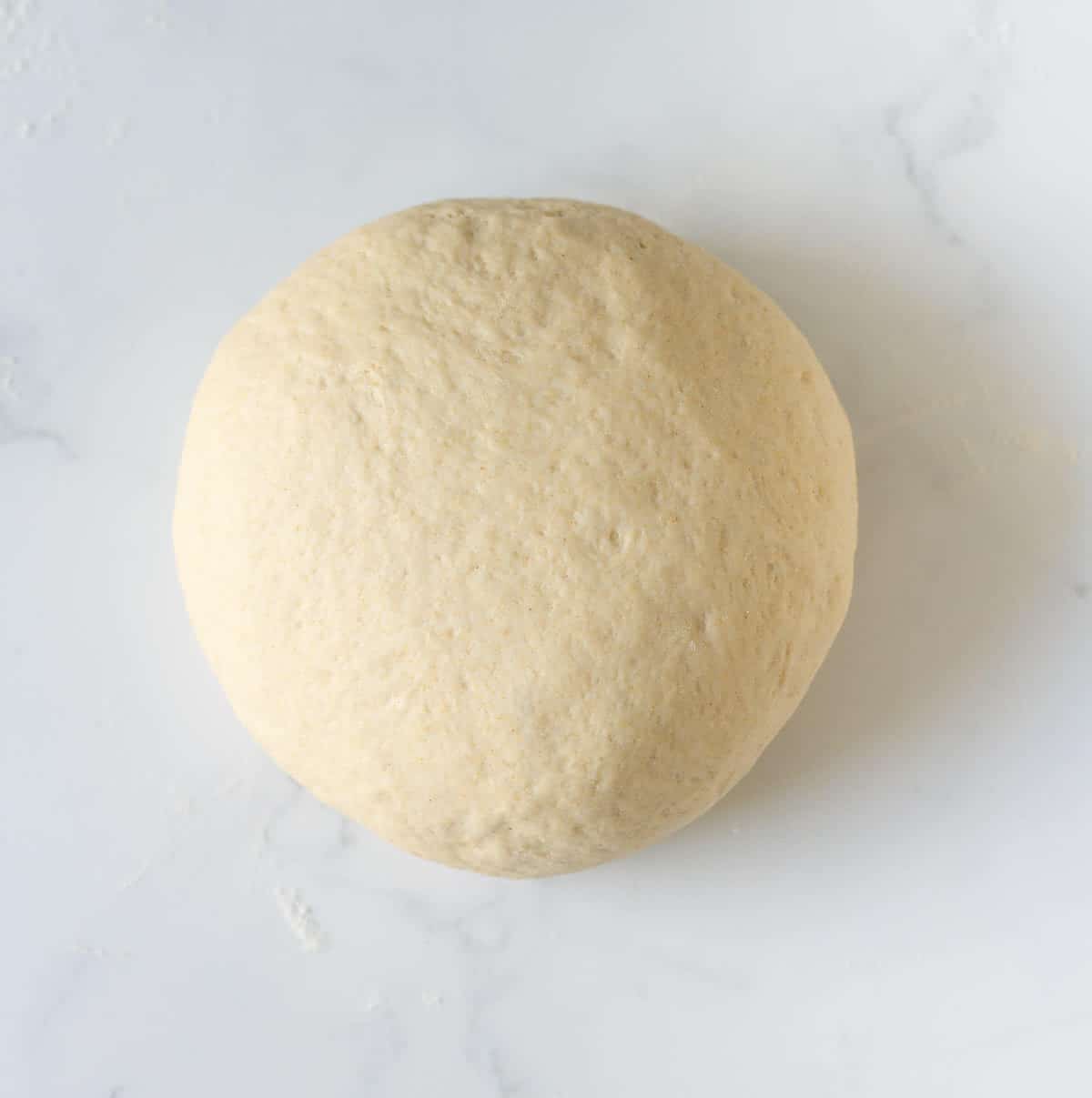
Step 5: Transfer the dough to a lightly floured work surface and gently deflate it. Shape the dough into a ball.
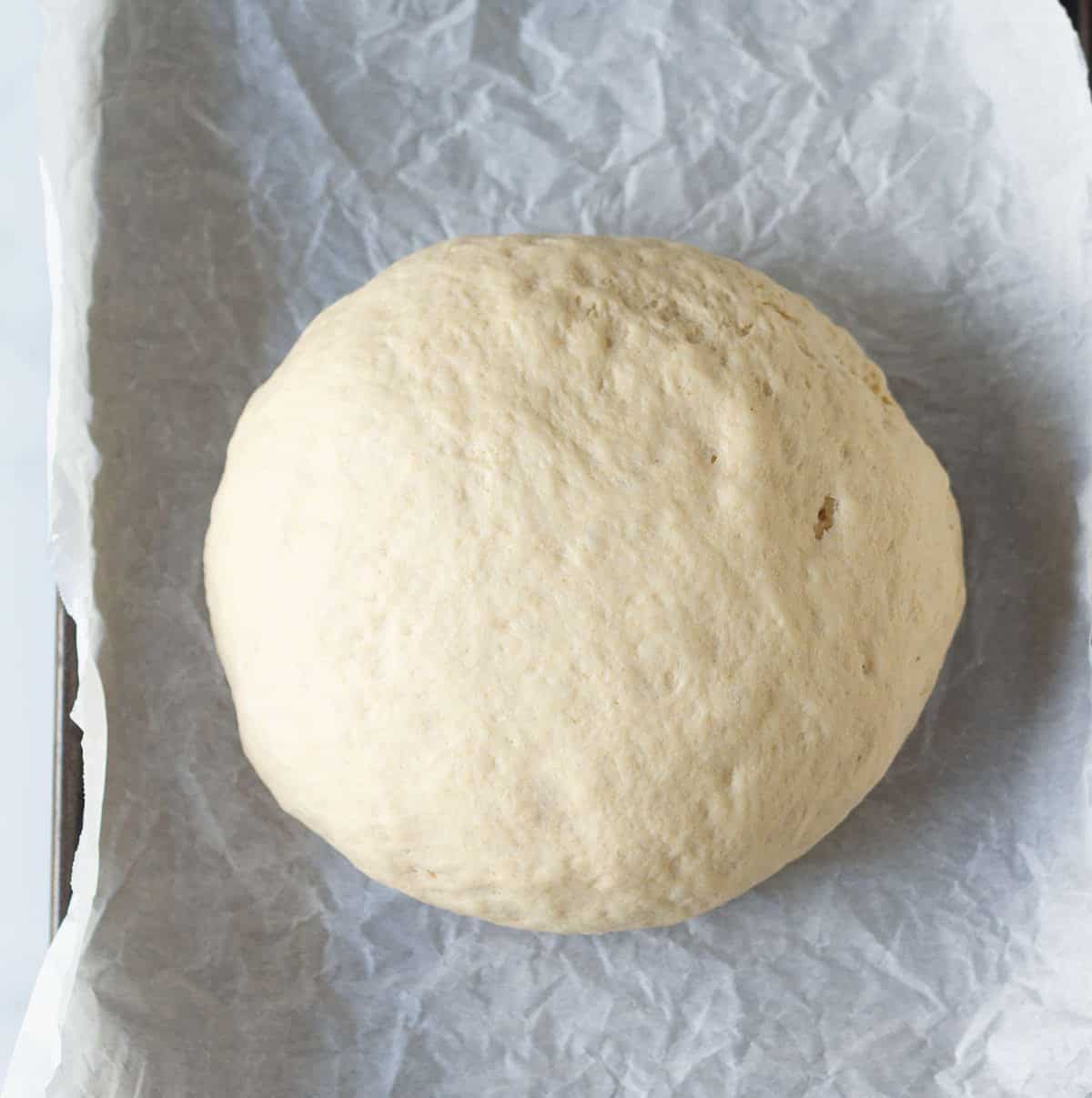
Step 6: Place the shaped dough on a parchment-lined tray. Cover and let it rise for 45 minutes or until puffy. Meanwhile, place a metal tray on the lowest rack and preheat your oven to its highest setting (mine goes up to 250 C/ 480 F).
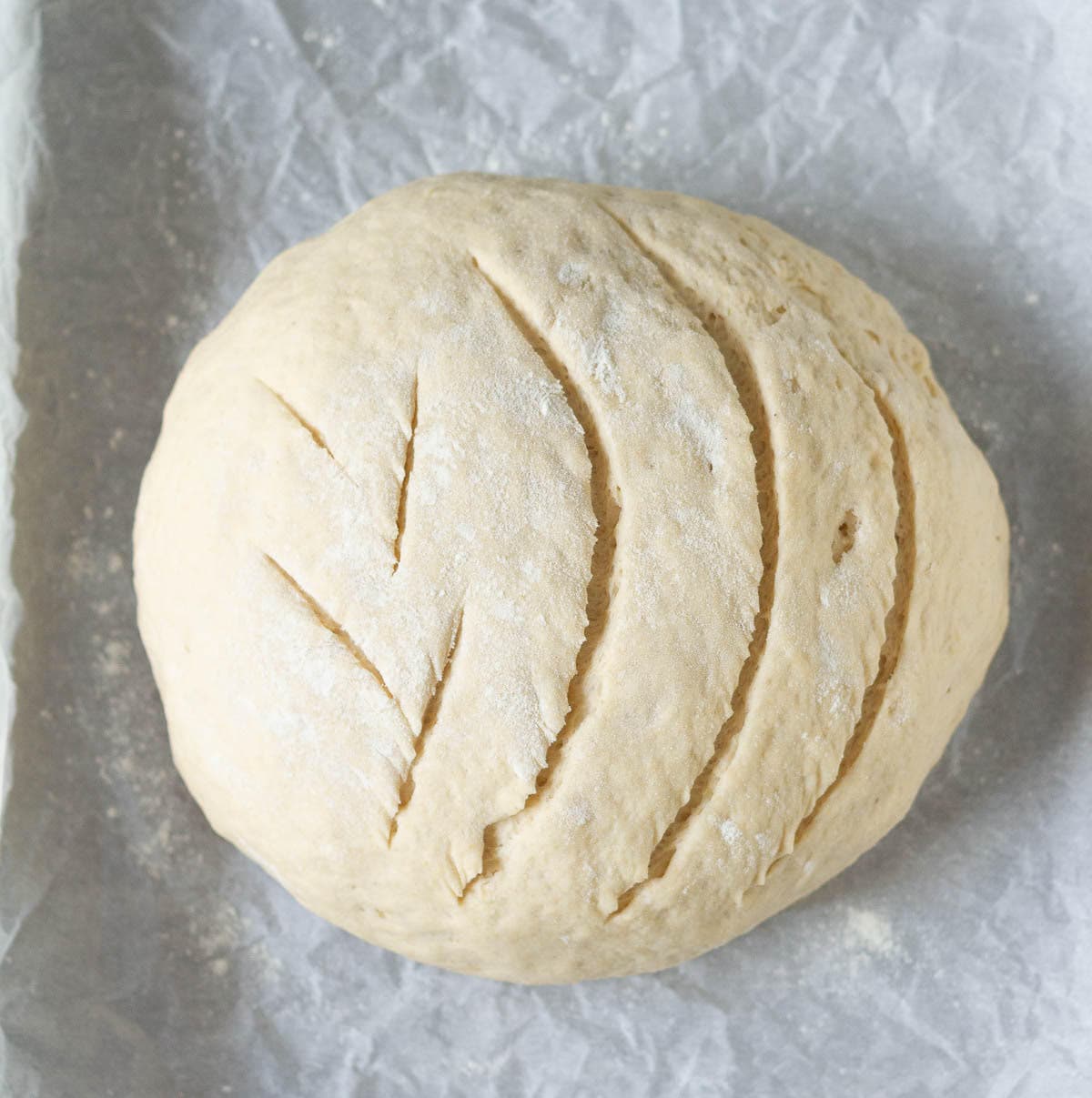
Step 7: Once the bread is puffy, sprinkle some flour on top. Using a sharp knife, score the bread. Immediately slide it into the oven, carefully pour a cup of water into the tray underneath, and shut the door quickly. Lower the temperature to 220 C /430 F and bake for 35 to 40 minutes.
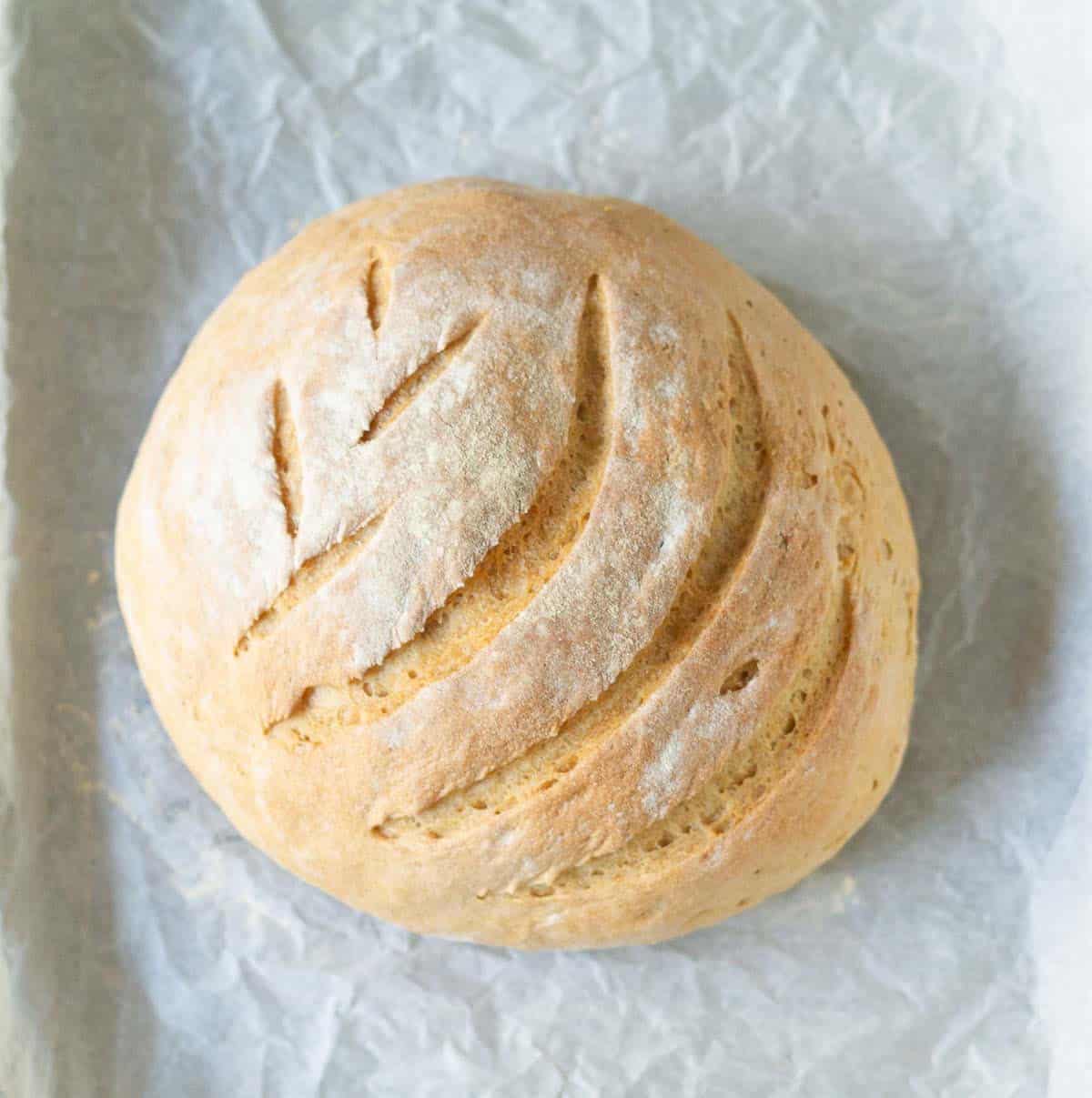
Step 8: The sourdough discard bread with yeast will be done when the top is golden brown, and the bottom sounds hollow when you tap it. Cool the discard bread completely before slicing.
Top Tips
- Your discard doesn’t need to be freshly fed. Use what you have in the refrigerator as long as it doesn’t smell funky or have any mold on it.
- Make sure your yeast is active. To test, mix 1 teaspoon of yeast in half a cup of warm water. If the mixture gets foamy in 10 minutes, the yeast is good to use.
- The dough should be soft and slightly tacky. If it’s too sticky to handle, add extra flour, 1 tablespoon at a time, but don’t add too much or the bread will be dense.
- Don’t rush the proofing time. For the first proof, the dough should double in volume, and for the second proof, it should be puffy. Press your finger into the proofed dough; if the indentation slowly bounces back, your bread is ready to bake.
- Use a really hot oven. Preheat your oven to the maximum. My oven goes upto 250 C / 480 F. A hot oven helps give the bread loaf a good oven spring and a crackly crust.
- Don’t skip the steam. Pouring water into a hot tray in the oven creates steam that helps the bread expand and gives a nice crisp crust.
- Score the loaf just before baking. This gives the bread more room to expand during baking and gives a pretty finish.
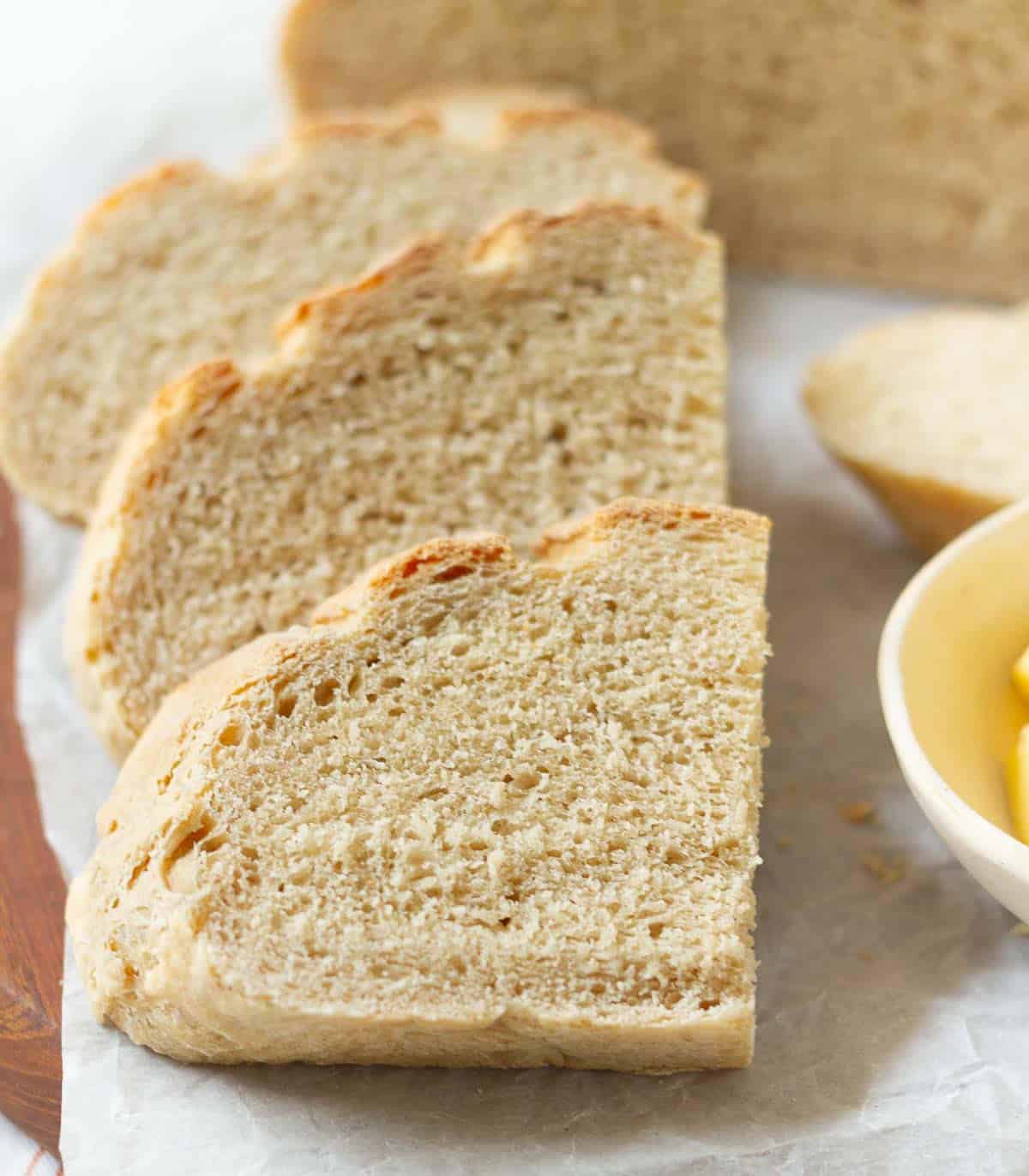
- Allow the bread to cool completely before slicing. The crumb needs time to set, and cooling the bread also allows the flavors to develop. Give it at least 1.5 hours before slicing.
How To Serve Sourdough Discard Bread
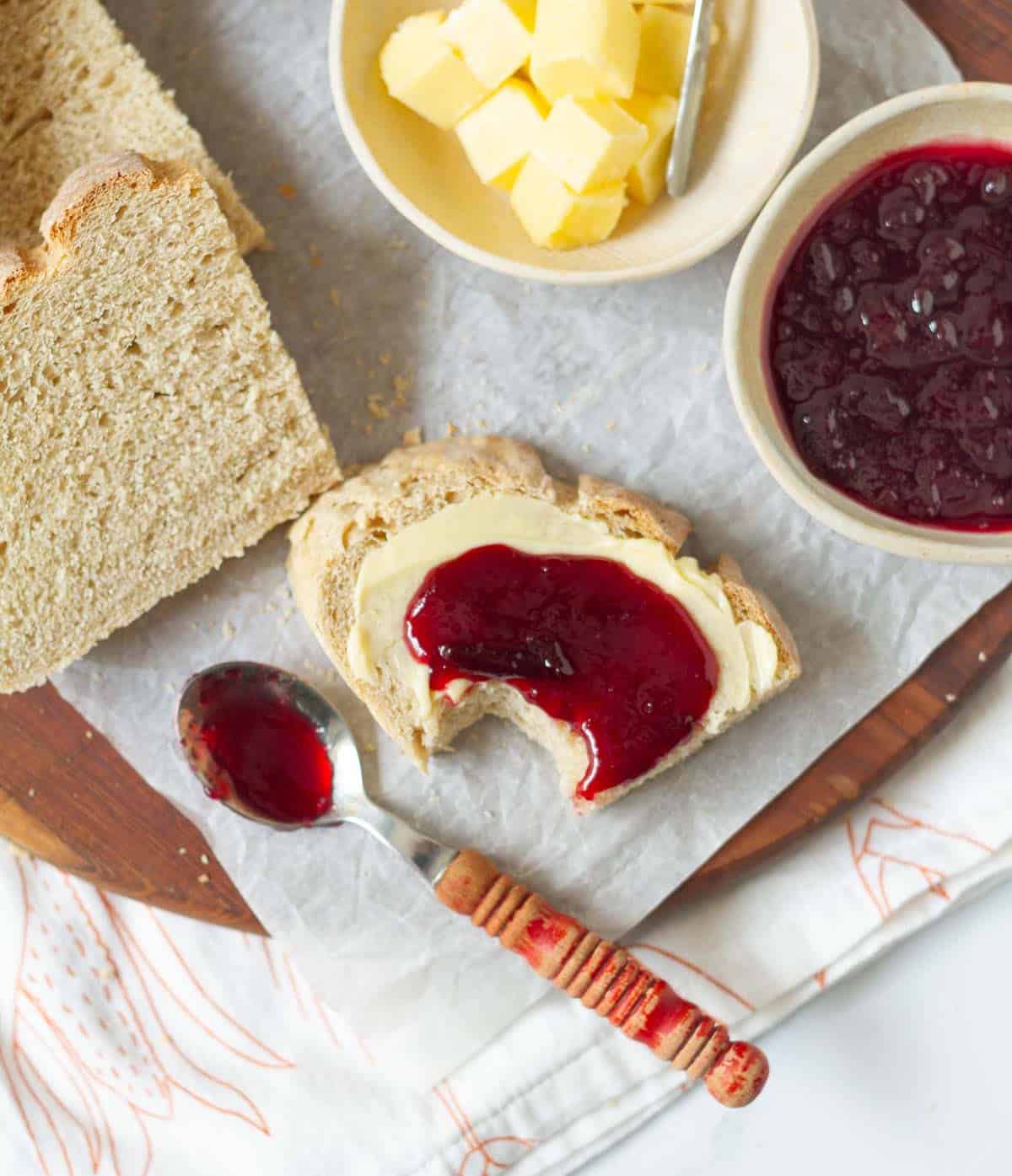
This easy sourdough discard bread is delicious on its own. Serve it warm, toasted, or untoasted with butter and jam like my homemade cherry jam or persimmon jam.
You can also serve it with:
- Apple butter, pear butter, or cinnamon honey butter.
- Alongside fried pickle dip, spinach artichoke dip, cashew ricotta cheese, or homemade cream cheese.
- It pairs wonderfully with roasted pumpkin soup, creamy pea soup, and Moroccan vegetable stew.
How To Store
Store the sourdough discard loaf in an airtight container for 2-3 days at room temperature. For longer storage, refrigerate for 4-5 days.
You can also freeze the bread for up to 1 month. Slice the cooled bread, wrap it well in plastic wrap and then foil before freezing.
Recipe FAQs
Can I make this sourdough discard bread without a stand mixer?
Absolutely! You can knead the dough by hand on a lightly floured surface. Knead for about 10-12 minutes, using the heel of your hand to push the dough away from you, then fold it back over itself. Continue till the dough is smooth and supple.
Can I use cold sourdough discard for this recipe?
I recommend bringing the sourdough discard to room temperature before using it. This helps the dough mix and rise more evenly.
Can I use all-purpose flour instead of whole wheat flour?
Yes, I have made this discard bread using all-purpose flour many times, and it turns out very well. The amount of liquid will need adjusting, as all-purpose flour absorbs less liquid than whole wheat flour. I suggest starting with 1 cup of water and adding more if needed.
Can I make this sourdough discard bread without yeast?
Not this discard bread recipe. Sourdough discard isn’t active enough to rise the bread on its own. Yeast does the lifting, while the discard adds flavor. For a no-yeast loaf, you need an active, freshly fed starter and a much longer rise.
Can I add seeds or other mix-ins to flavor the sourdough discard bread?
Yes, this is a great basic dough for many variations. You can add sun-dried tomatoes, olives (as I did for my easy olive bread), jalapeños and cheese (as in this jalapeño cheddar bread), or seeds (like in this seeded oatmeal bread).
More Easy Bread Recipes You'll Love

Recipe
Easy Sourdough Discard Bread
Ingredients
- 1.5 tsp Yeast
- 1 tsp Sugar
- 1 1/4 cups Lukewarm water
- 1.5 cups All Purpose Flour
- 2 cups Whole Wheat Flour
- 1 1/4 tsp Salt
- 1/3 cup Sourdough Discard
Instructions
- In a small bowl, dissolve yeast and sugar in the water. Let stand for 10 minutes until foamy.1.5 tsp Yeast,1 tsp Sugar, 1 1/4 cups Lukewarm water
- In the bowl of a stand mixer, combine both the flours and salt.1.5 cups All Purpose Flour, 2 cups Whole Wheat Flour, 1 1/4 tsp Salt
- Pour in the sourdough discard and the bubbly yeast mixture.1/3 cup Sourdough Discard
- Mix well with a spatula until a rough shaggy dough forms.
- Knead the dough using the dough hook attachment for 8-10 minutes, on medium speed, until the dough is smooth, elastic, and slightly sticky to touch.You can also knead the dough by hand for 10-12 minutes.
- Transfer the dough to a lightly greased bowl. Cover it with a tea towel or cling wrap. Let it rest for 1-1.5 hours, or until the dough is doubled in size.
- When the dough is doubled in size, transfer to a lightly floured surface and gently deflate it. Shape the dough into a ball.
- Place the shaped dough on a parchment-lined tray. Cover it with a tea towel for the 2nd rise. Let it rise for 45 minutes, or until puffy.
- Meanwhile, place a metal tray on the lowest rack and preheat your oven to its highest setting (mine goes up to 250 C/ 480 F).
- Once the bread is puffy, sprinkle the dough top with some flour. Then using a sharp knife, score the bread. Immediately slide it into the oven, carefully pour a cup of water into the tray underneath, and shut the door quickly. Lower the temperature to 220 C/ 430 F and bake for 35-40 minutes, or until the top is golden brown and the bottom sounds hollow when you tap it.
- Cool the bread completely before slicing it.
Video
Notes
- I highly recommend using a kitchen scale to measure ingredients. This ensures consistent and accurate results.
- Your discard doesn’t need to be freshly fed. Use what you have in the refrigerator as long as it doesn’t smell funky or have any mold on it.
- Make sure your yeast is active. To test, mix 1 teaspoon of yeast in half a cup of warm water. If the mixture gets foamy in 10 minutes, the yeast is good to use.
- The dough should be soft and slightly tacky. If it’s too sticky to handle, add extra flour, 1 tablespoon at a time, but don’t add too much or the bread will be dense.
- Don’t rush the proofing time. For the first proof, the dough should double in volume, and for the second proof, it should be puffy. Press your finger into the proofed dough; if the indentation slowly bounces back, your bread is ready to bake.
- Use a really hot oven. Preheat your oven to the maximum. My oven goes upto 250 C / 480 F. A hot oven helps give the bread loaf a good oven spring and a crackly crust.
- Score the loaf just before baking. This gives the bread more room to expand during baking and gives a pretty finish.






I’ve cooked this bread a few times now using sourdough discard. Cooked in a Dutch oven it has turned out so perfect each time that I’m wondering if I’ll even bother to cook the straight sourdough bread
Natasha Author
Oh wow! I'm so so happy to hear that, Teresa, and I agree with you! Really appreciate your support and love. xx
I want to use my Dutch oven .. can I? Covered for 30 minutes or so then uncover and bake 15-20 more?? Thx!
Natasha Author
Hi Laura, yes, I think that would work though I haven't tried it myself as I don't own a Dutch oven! 🙂 I'd love to hear how it turned out for you. xx
While waiting for all my sourdough stuff (dutch oven, banitons etc) to come back from a girlfriend, we ran out of bread, so I thought I’d have a go at this…wow, was fantastic! I used spelt instead of wholegrain (just what I had on hand). I also used a tray of ice rather than water to ramp up the steam initially. As you’d expect, a completely different crumb to SD but really yummy. (I can’t help myself, I had to slice a crust off and try it hot!) Thanks…will be doing this again!
Natasha Author
Oh, thank you, Barb! Your comment just made my day! I'm really thrilled you enjoyed this bread. xx
So i already have a live sourdough starter, how would i use it to substitute for the yeast mixture?
Natasha Author
Hi Ryan, you would then proceed to make a sourdough bread. I'm still am learning to make a proper sd loaf, so I won't be able to help in this case. So sorry!
Lisa
Ryan,
I have had great success with sourdough bread recipes from
theclevercarrot.com
Natasha Author
Oh yes, she does have wonderful sourdough recipes! Thank you for helping Lisa! 🙂
Thank you for an easy and delicious recipe! This is a great alternative to my weekly sourdough bread regimen.
Natasha Author
So happy to hear that Phoebe!Thank you for following along! 🙂
Used this so many times now and hasn’t failed me yet. The only bread recipe to stay moist days later
Natasha Author
This makes me so happy! Thank you, Taylor!